Accor Group Hotels Near Onsu Park

Wonsi Urban Nature Park isn’t just a park—it’s a green miracle hiding in the heart of Seoul. With winding wooden boardwalks, vibrant wetlands, and over 30 bird species calling home here, stepping into this space feels like flipping open a living ecology book. Spring brings cherry blossoms, summer hums with frog songs, autumn paints the trees in fiery reds, and winter glides by with flocks of white ducks. Best part? It’s super accessible—just a short walk or bike ride from downtown. Escape the urban rush and reconnect with nature without leaving the city.

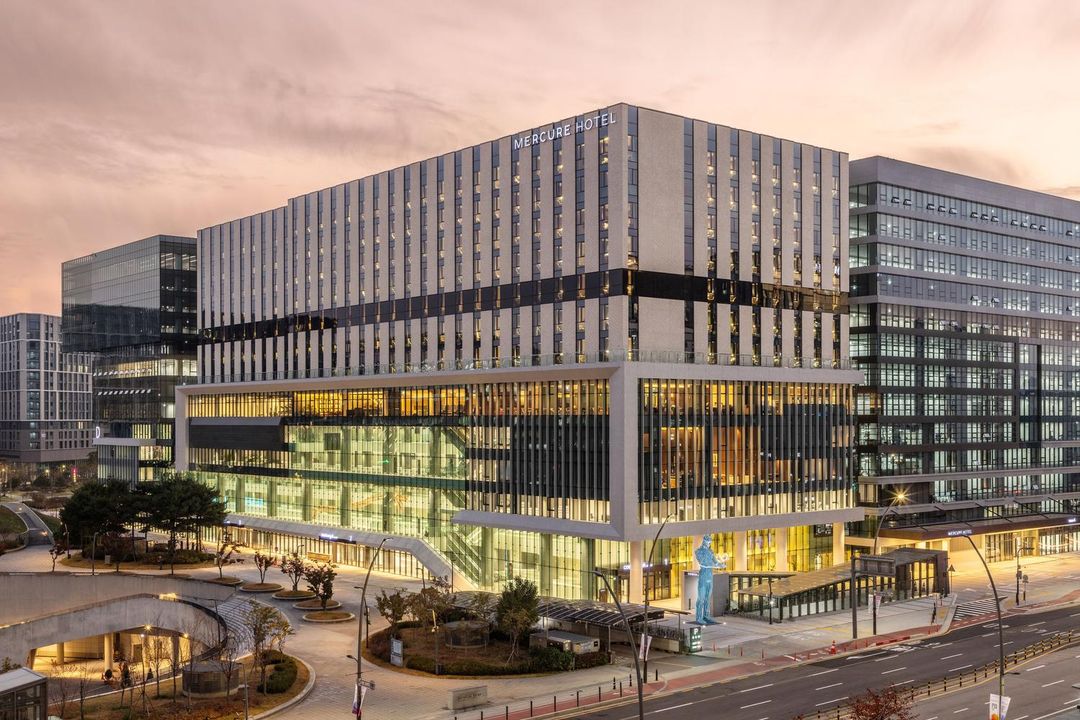
Mercure Ambassador Seoul Magok

Mercure Ambassador Seoul Magok

4.8 / 5Outstanding172 Reviews
143 Magokjungang ro Gangseo gu
7.37KM from Onsu Park
Conference HallFitness CenterBusiness CenterDry Cleaning ServiceIroning ServiceBar
per night
From
USD**0

Frequently Asked Questions

Everything you need to know about Onsu Park

Near Woomyeon Urban Nature Park, the Hyatt Regency Seoul Dongdaemun is a top choice, just a 15-minute walk from the park. The hotel offers modern amenities, spacious rooms, and a fitness center, plus free parking. Guests can easily access the park’s ecological trails, scenic lakeside viewpoints, and children’s nature education center. Located close to Dongdaemun Market and Myeongdong shopping district, it combines urban convenience with natural tranquility—perfect for families or short getaways.

Yes, Woomyeon Urban Nature Park is highly accessible via public transportation. The nearest station is Woomyeon Station on Seoul Subway Line 2, just a 5-minute walk away. Alternatively, Sinchon Station on Line 9 is within a 10-minute ride, with bus or short walk connections. The park features well-maintained walking paths and ample parking for drivers. On weekends, shuttle buses run between major commercial areas and the park, ensuring convenient access for all visitors.

Visitors to Woomyeon Urban Nature Park can enjoy a range of unique nature experiences: guided ecological tours led by experts to explore local flora and fauna; family-friendly nature workshops where kids learn about soil and insects through hands-on activities; and lakefront picnics with birdwatching, especially popular from spring to autumn. The on-site Nature Education Center features interactive exhibits and environmental lectures, ideal for school groups. Additionally, the park hosts stargazing events at night, using low-light policies to preserve dark skies—offering a rare urban escape into celestial wonder.

Near Gwangju Natural Park, the Hotel Shilla Seoul stands out for its luxury accommodations and complimentary spa access. Just a 15-minute drive from the park, it offers quiet rooms with smart climate control and soundproof windows for restful sleep. The surrounding area features eco-friendly hiking trails and a stargazing platform, perfect for early morning walks or night sky viewing. Guests can also enjoy authentic Korean cuisine at the hotel’s on-site restaurant, using locally sourced ingredients to highlight regional flavors.

Yes, Gwangju Natural Park is well-connected via Seoul Metro Line 2 at Dae-ro Station, just a 10-minute walk away. Numerous bus routes—including Bus 101 and 340—serve the area, making it easy to reach from districts like Gangnam and Myeongdong. The park features a free parking lot for drivers, along with wheelchair-accessible trails and free Wi-Fi coverage throughout. A complimentary electric shuttle runs between the park and nearby commercial zones until 9 PM daily, greatly enhancing convenience for families and group visitors.

Visitors to Gwangju Natural Park can enjoy several distinctive activities: nighttime ecological tours led by expert guides reveal rare insects and nocturnal birds; forest meditation workshops held every Saturday combine traditional Korean breathing techniques with nature sounds for healing. Additionally, seasonal natural dyeing workshops allow guests to craft handmade fabric using ancient Korean methods. The park also hosts "Galaxy Night" events each summer at its star observation deck, featuring telescopes and astronomy lectures. All experiences emphasize sustainability, promoting harmony between people and nature—perfect for immersive cultural and eco-tourism.