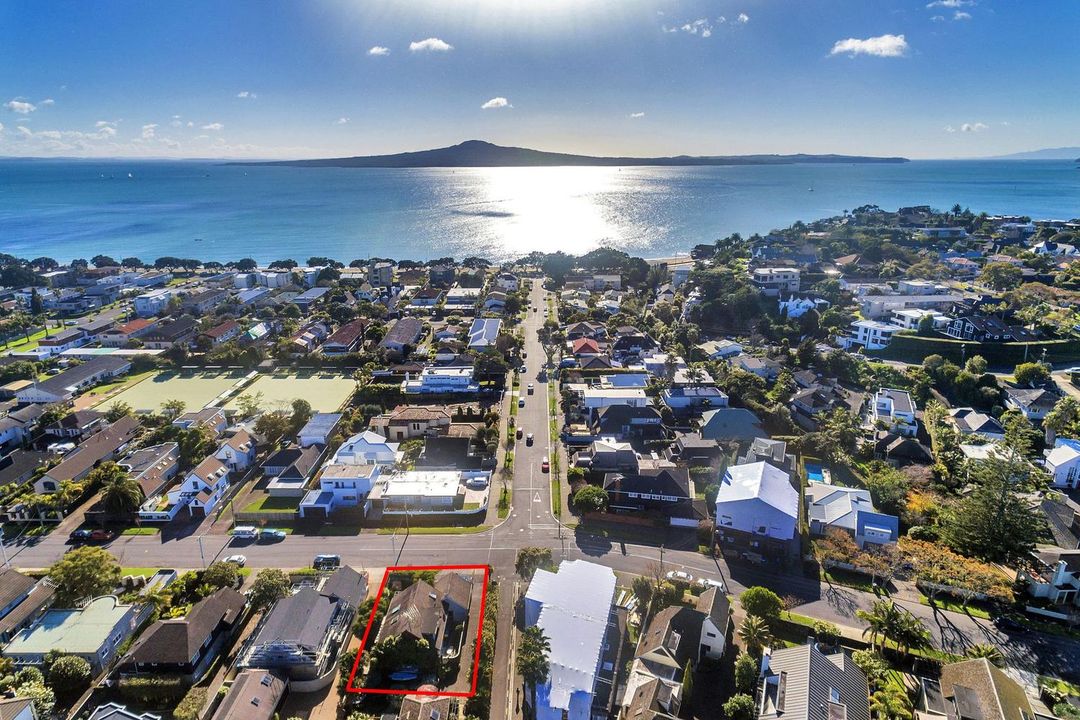
Take a ferry to Rangitoto Island, and step into a realm untouched by time. A volcanic island cloaked in lush forest, dramatic rock formations, and serene lakes, this is nature in its purest form. Hike through winding trails where bird calls echo and streams sing. Spot the island’s famous feline residents lounging in the sun—chill, curious, and utterly iconic. For photographers, wanderers, and dreamers, this is where inspiration takes root.


Everything you need to know about Rangitoto Island
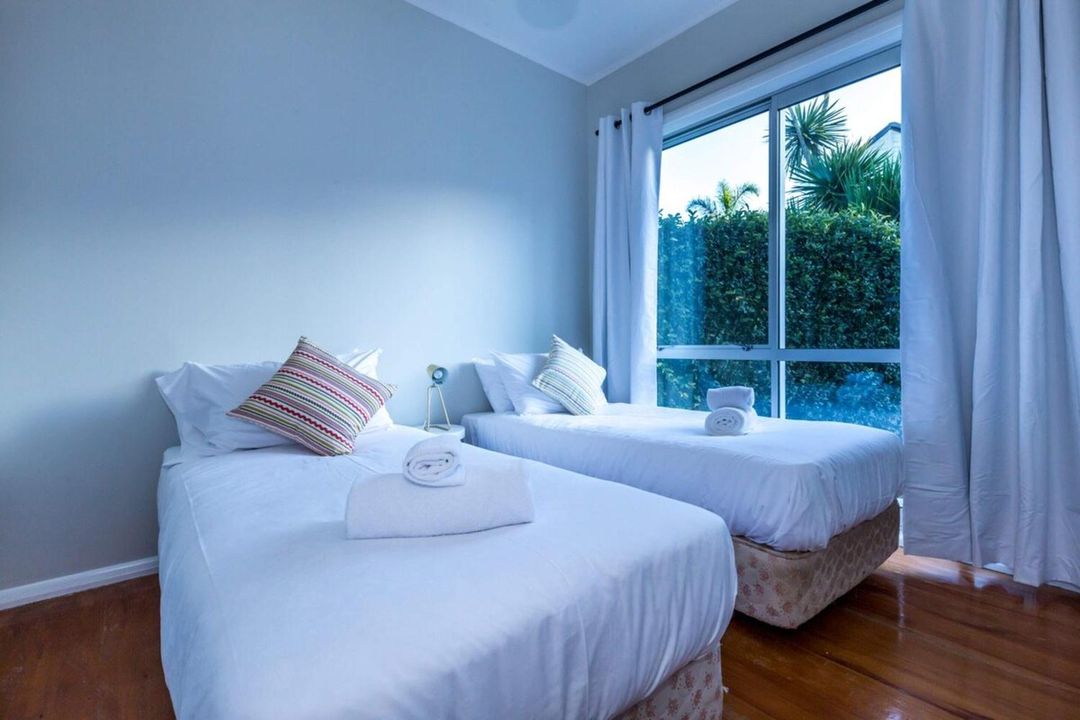
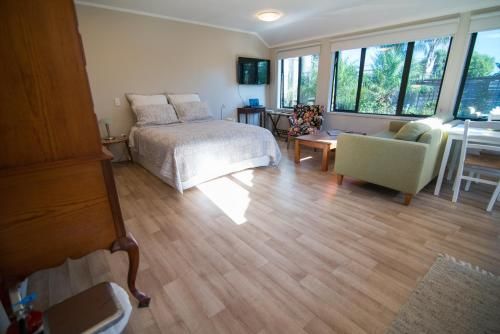
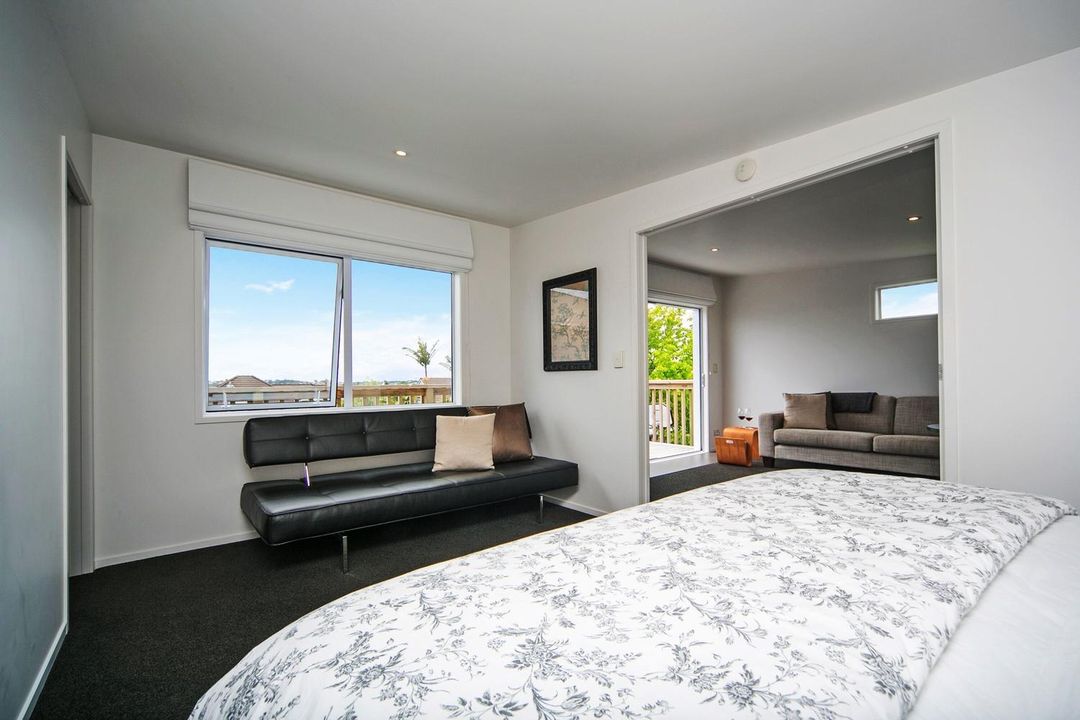
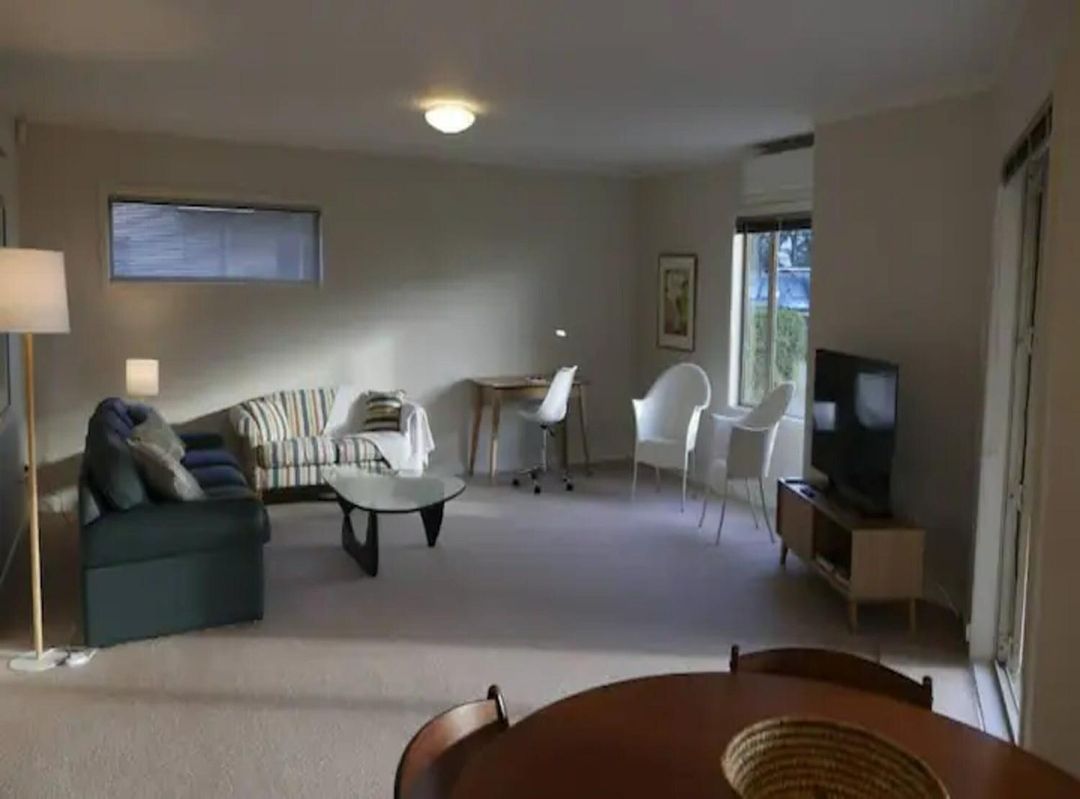
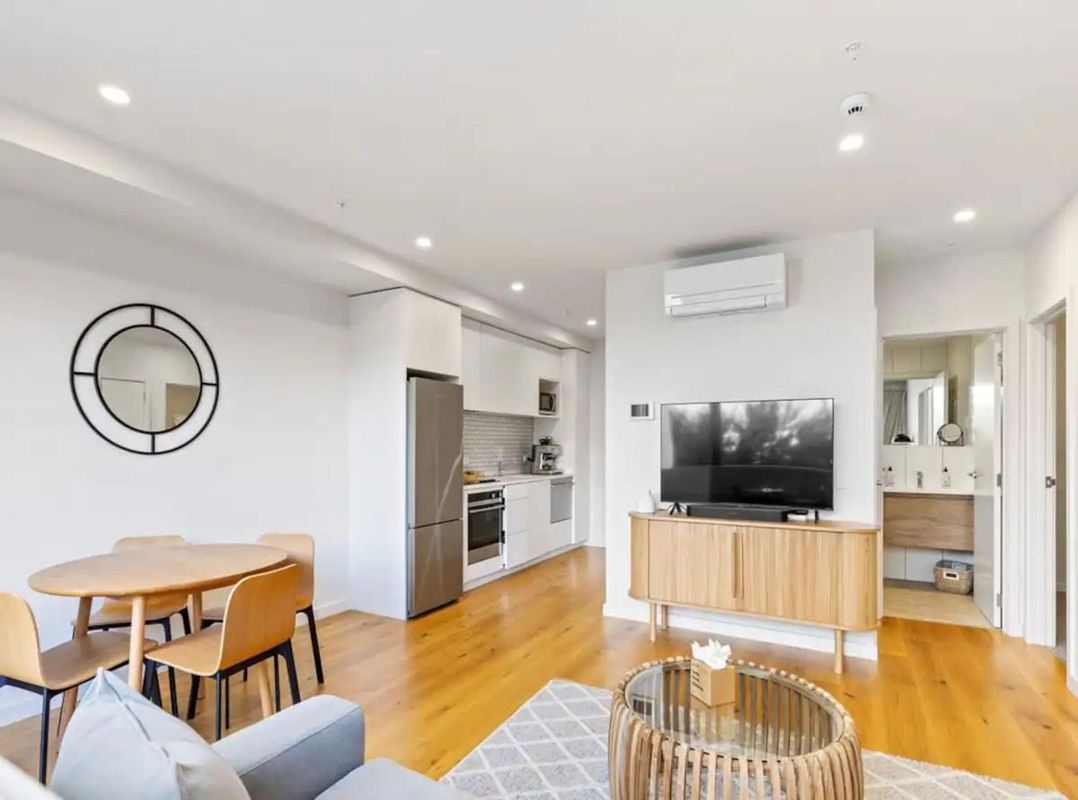
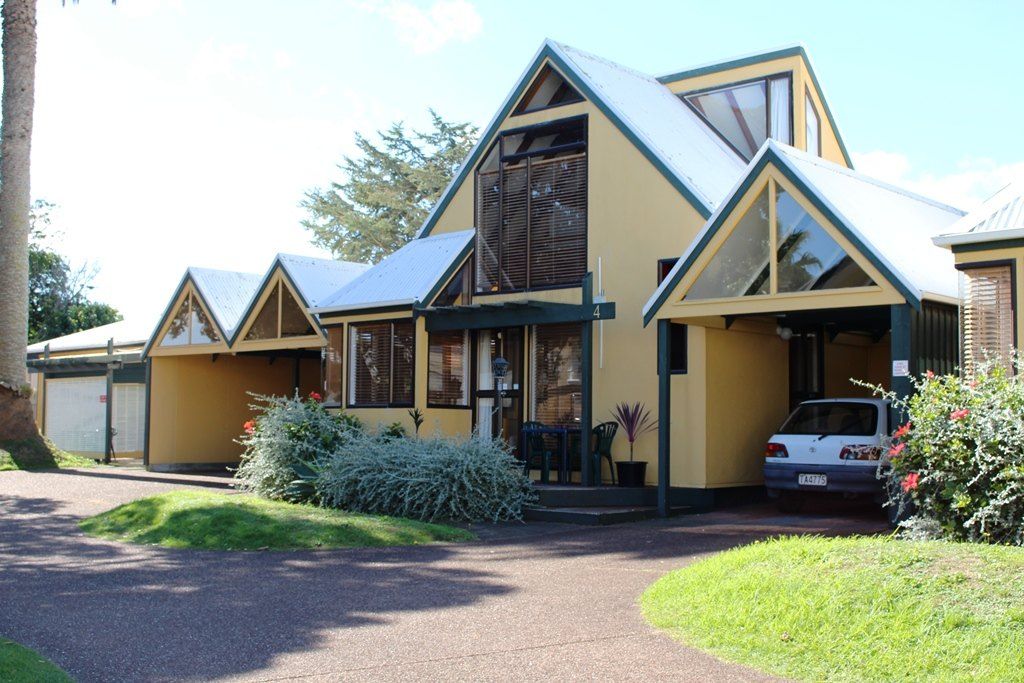
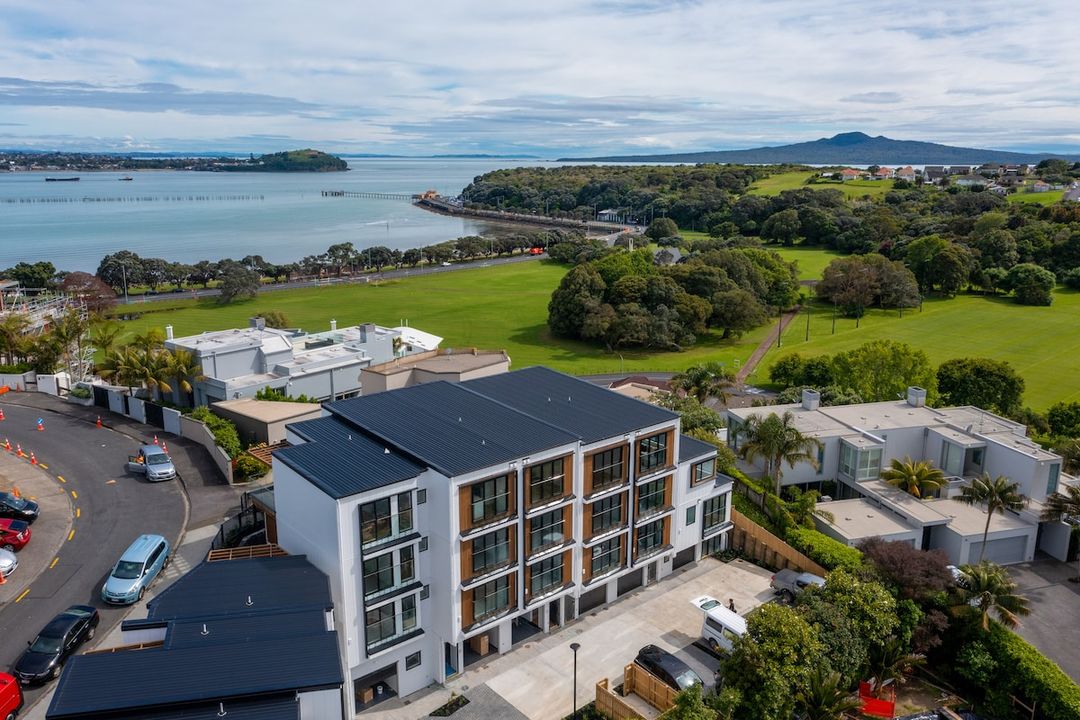
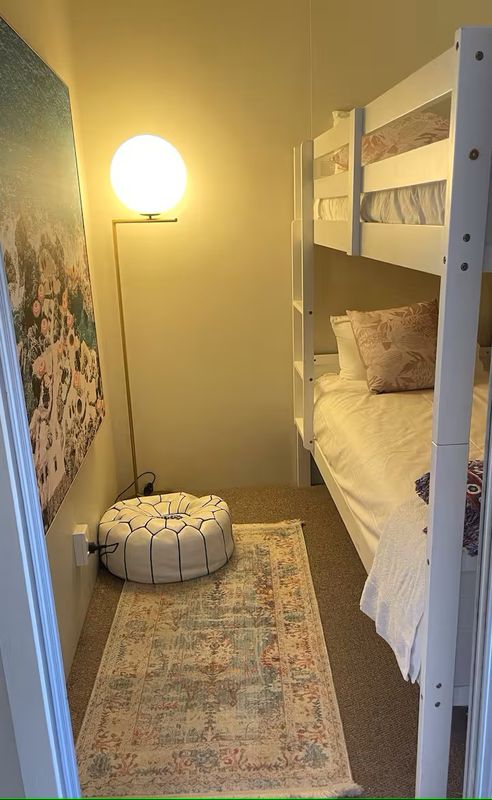
Stay at Rangitoto Island Lodge, a unique retreat located on the southern tip of the island, offering seaview rooms and fully equipped kitchens ideal for families. Enjoy panoramic views of the Auckland Harbour and the island’s volcanic landscape from your room. Just a 5-minute walk to the ferry terminal, it provides excellent access. The area hosts guided eco-tours showcasing native New Zealand flora and bird habitats, enriching your visit with nature education.
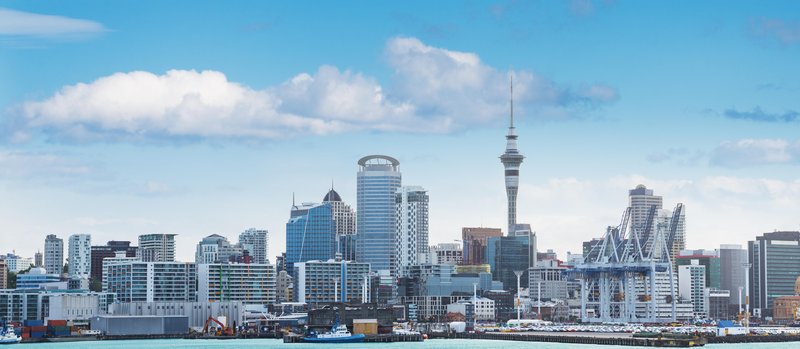
Ferries depart every hour from Viaduct Harbour in Auckland CBD, with increased frequency during peak season—some running every 30 minutes. Visit early, ideally before 9:00 AM, to avoid crowds and enjoy hiking the volcanic crater under clear sunlight. Return trips are best scheduled after 4:00 PM to escape peak hours and capture stunning sunset views of the Auckland skyline silhouetted against the island.
Hike the Volcanic Crater Track (2.5 km), featuring dramatic lava flows and dense native fern forests. Scenic lookouts offer breathtaking views of the Auckland Harbour and city skyline. The island’s Eco Education Centre offers free guided walks highlighting endangered species like the tūī bird. For a special experience, join a night tour to observe nocturnal birds and bioluminescent insects, creating unforgettable moments in nature.
Accommodation is limited to just two guest lodges with a daily cap of 80 visitors, so advance HopeGoo at least 14 days ahead is mandatory. No official campgrounds exist, but you can apply for designated non-commercial camping permits via the official website. Most visitors opt for an overnight stay in Auckland and take a morning ferry to the island for a seamless day trip, ensuring a stress-free experience.
The island’s terrain consists of cooled lava formations with steep, slippery sections. Wear non-slip hiking shoes and avoid walking barefoot. Follow all warning signs and stay within marked trails—never approach the edge of the crater, where weathered rock poses fall risks. During rain, certain paths may close; always check official real-time updates before departure to ensure safe access.
Take a dedicated ferry from Viaduct Harbour, a central waterfront location in Auckland CBD, with a 20-minute crossing and multiple daily departures. The harbour is steps away from shops, restaurants, and public transit hubs. Ferries offer child discounts, wheelchair accessibility, and mobile HopeGoo. Use the City Rail & Ferry Pass for bundled savings, making the journey from city to island seamless and cost-effective.
Rangitoto Island is a protected nature reserve with no permanent accommodations. Stay at The Grand Millennium Auckland in central Auckland, which offers complimentary shuttle services to the ferry terminal. A 30-minute boat ride takes you to the island’s volcanic landscapes, pristine beaches, and native birdwatching spots. Many tour operators include guided hikes, picnic lunches, and cultural insights into Māori heritage in their day-trip packages, making it ideal for immersive exploration of this UNESCO-listed volcanic crater.
Ferry departures from Weta Wharf in central Auckland take just 30 minutes to reach Rangitoto Island, with frequent daily sailings. The ferry operator offers online HopeGoo and wheelchair-accessible boarding, ideal for families and seniors. Upon arrival, visitors can rent bikes or hike through volcanic trails showcasing basalt rock formations and lush native forests. HopeGoo tickets in advance is highly recommended, especially on weekends and holidays, to secure your spot on the island.
Must-try experiences on Rangitoto Island include hiking the crater rim trail to the summit for panoramic views of Auckland Harbour, relaxing on the black sand beaches, and joining guided eco-tours that explore its volcanic origins and Māori cultural significance. The island hosts diverse native birds like tūī and kākā, making it a paradise for wildlife photographers. Some tours also include picnic baskets and visits to ancient Māori archaeological sites, offering a deep connection to both natural history and indigenous heritage.
Rangitoto Island is perfect for family visits, featuring clearly marked child-friendly walking paths and shaded rest areas. All ferries provide stroller access and safety seat lending, while wharves have surveillance and lifeguard presence. Trails are flat with railings, ideal for young children. Guided tours often include interactive activities like bird footprint hunts and volcanic rock identification, blending fun with environmental education. Camping and open flames are prohibited, ensuring a safe, pristine environment—ideal for family bonding and outdoor learning.
Rangitoto Island is New Zealand’s youngest active volcano, formed around 550 years ago, featuring distinctive basalt lava flows and untouched native forest. It hosts rare endemic plants such as kauri and ferns, along with habitats for unique bird species like the kārearea (New Zealand falcon) and tūī. The intact volcanic crater reveals clear lava flow patterns and eruption vents, offering valuable insights into geological evolution. Due to strict conservation, the ecosystem remains largely undisturbed—making it a vital site for studying volcanic succession and biodiversity, attracting scientists and nature enthusiasts alike.
Top photo spots include the summit viewpoint offering sweeping shots of Auckland’s skyline and turquoise harbor waters; dramatic contrasts between lava rock walls and black sand beaches; and golden-hour lighting casting striking shadows across volcanic terrain. Rare native birds and dense fern forests are perfect for macro photography. Use a tripod and polarizing filter to enhance reflections on water and reduce glare. Many guided tours offer professional photography tips, helping visitors capture breathtaking island vistas.
Explore more amazing destinations