

Everything you need to know about Seosan Bowonsa Temple Ruins
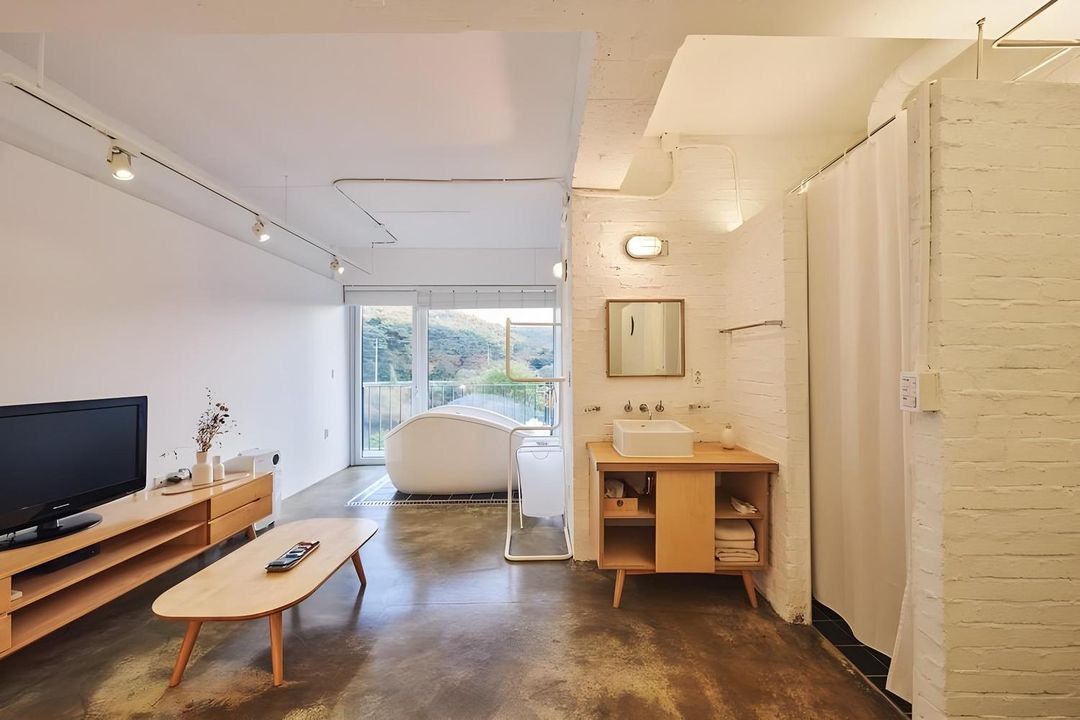
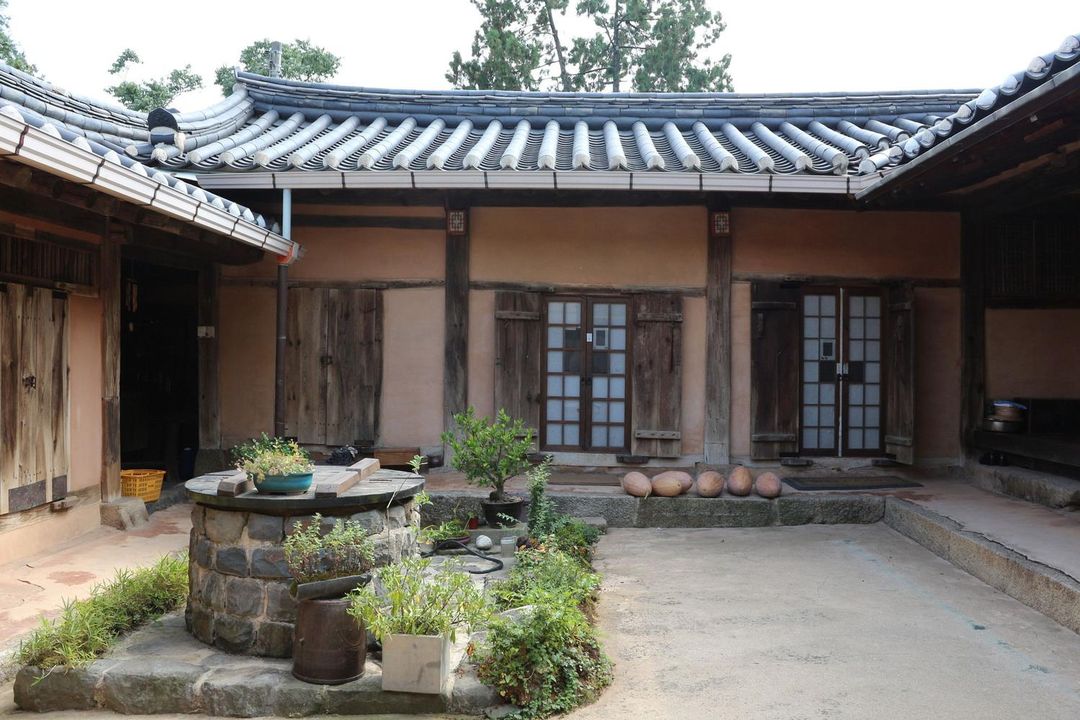
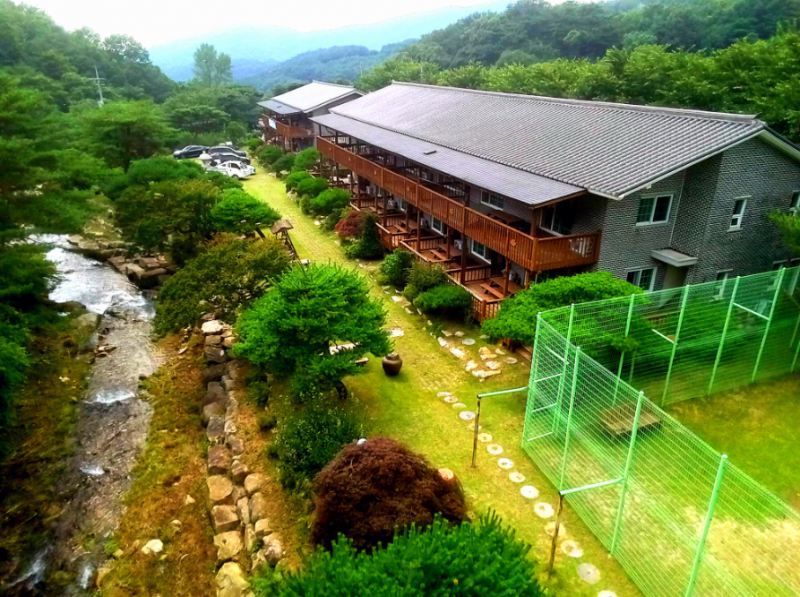
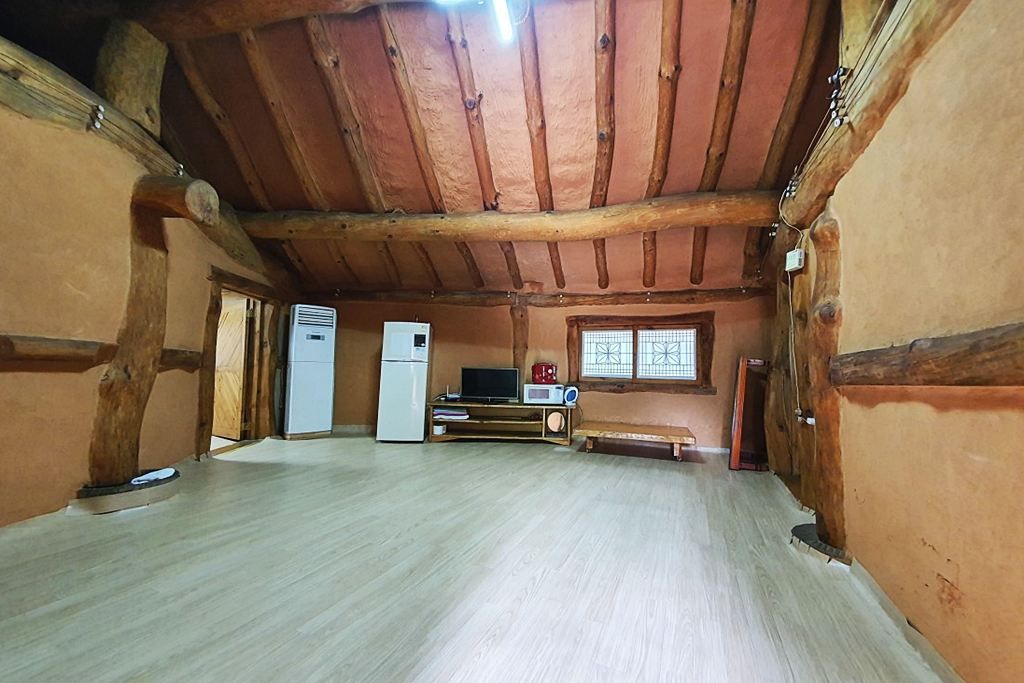
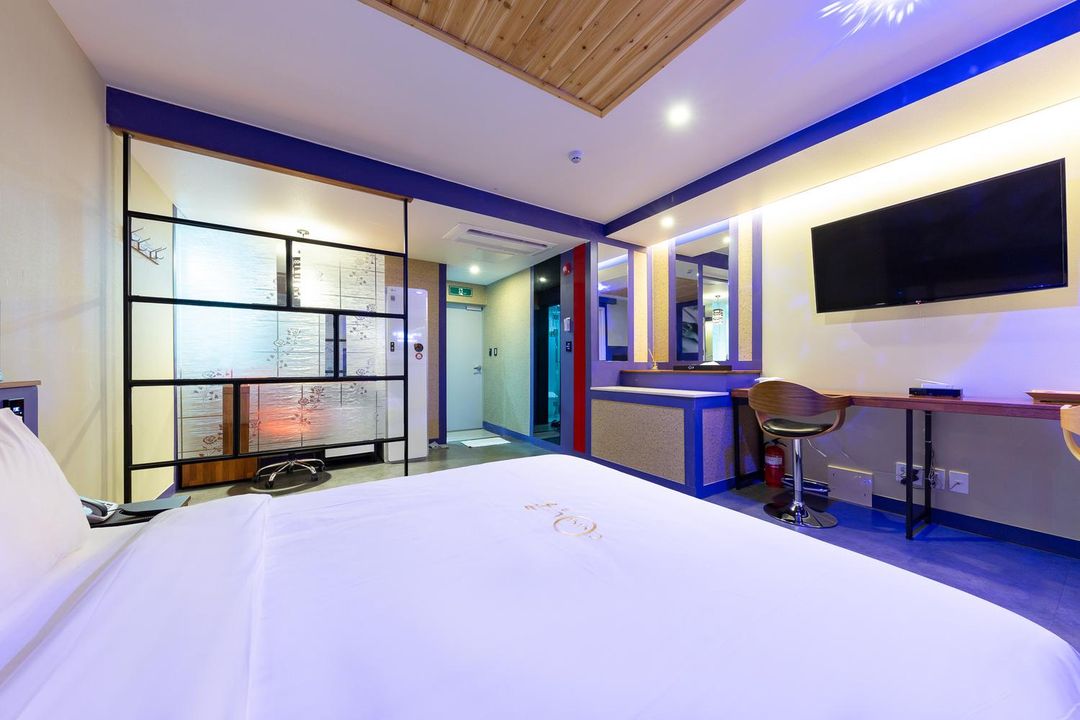
Stay at Boseonsa Cultural Hotel, a heritage retreat transformed from ancient temple structures, offering serene access to the stone Buddha reliefs and surrounding mountain views. Each room features traditional hanok design with tatami mats and private courtyard balconies for quiet reflection. The on-site meditation garden hosts daily sunrise chanting sessions, enhancing your spiritual immersion
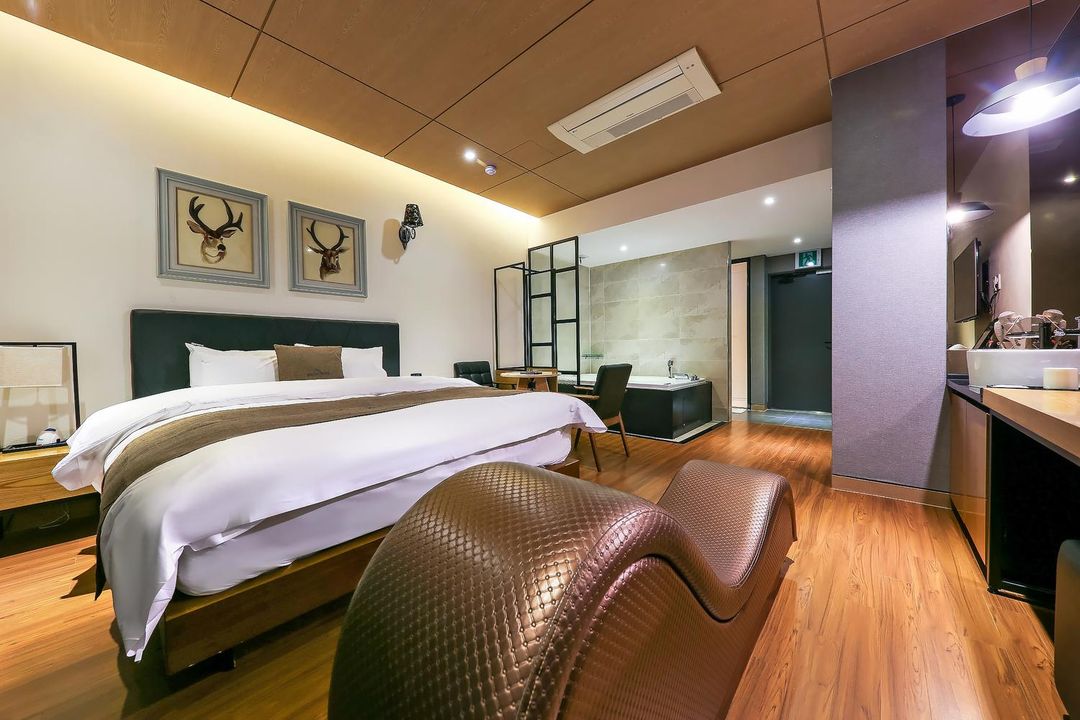
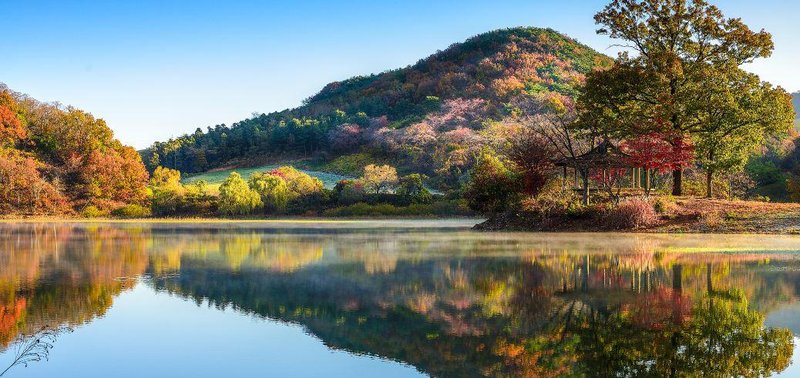
Choose Boseonsa Mountain Retreat Villa, the only luxury lodging with panoramic unobstructed views of the temple’s stone pagoda remains. Its top-floor suites feature floor-to-ceiling glass walls facing the forested ruins, perfect for capturing misty mornings and golden sunsets. Book early via HopeGoo to secure a room with the most authentic temple vista
Yes, the Stone Inscription Trail winds through the ruins, featuring interpretive panels detailing Buddhist art and Goryeo-era architecture. Nearby, the Boseonsa Tea House serves handcrafted herbal teas using local mountain herbs. Visitors can also join weekend workshops in traditional Korean pottery-making at the adjacent artisan studio, all within 10 minutes’ walk from the main site
Boseonsa Family Forest Lodge is designed for multi-generational stays, with child-safe rooms, a nature discovery corner, and guided storytelling sessions about the temple’s history. Kids enjoy hands-on activities like paper crane folding and wooden toy crafting. The property offers free shuttle service to the ruins, making it ideal for safe, engaging family visits
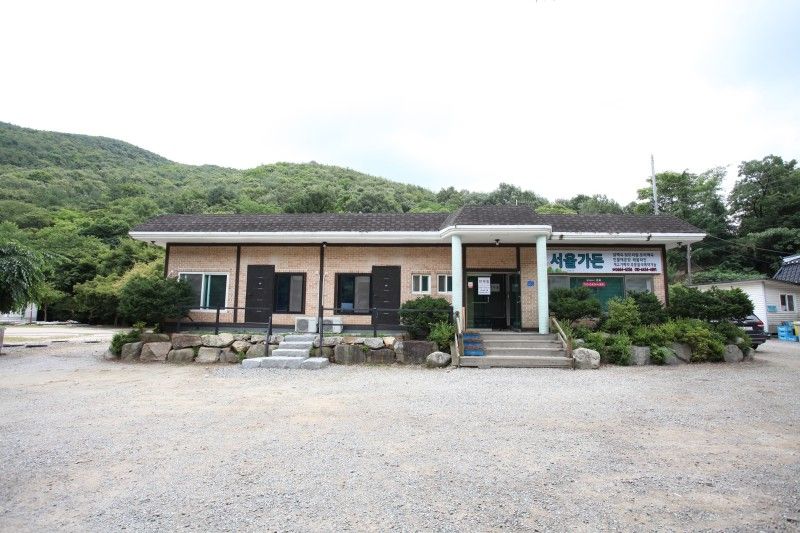
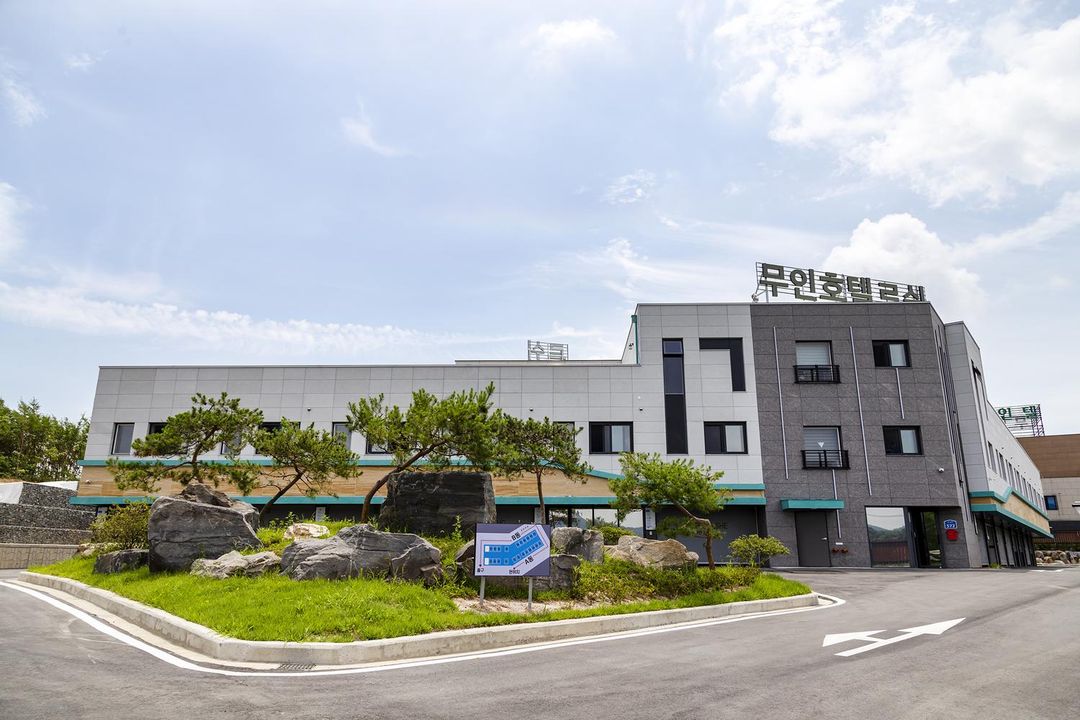
Hotels like Boseonsa Mountain Retreat offer complimentary shuttle services from the nearest bus stop, just 3 minutes away. The area is well-connected by regional buses linking to Seosan City and Daejeon. For guests arriving by train, the Seosan Station is reachable within 20 minutes by taxi. All recommended lodgings provide multilingual signage and digital check-in options for seamless arrival
Visit Boseonsa Vegetarian Kitchen, located just 100 meters south of the ruins, serving farm-to-table Korean Buddhist vegetarian meals using wild mountain vegetables. Their signature dish, pine mushroom stew with fermented soybean paste, is praised for its depth of flavor. After dining, stroll to the nearby handmade pottery workshop to experience traditional ceramic shaping techniques
Explore more amazing destinations