Udo Dolmen on Ulleung Island stands as a silent witness to millennia-old mystery. Massive stone pillars rise from the earth like ancient sentinels, whispering secrets from a forgotten era. Walking among them feels like stepping into another time—every footprint echoes with history. A truly spellbinding journey into prehistoric wonder.


Everything you need to know about Udo Dolmen
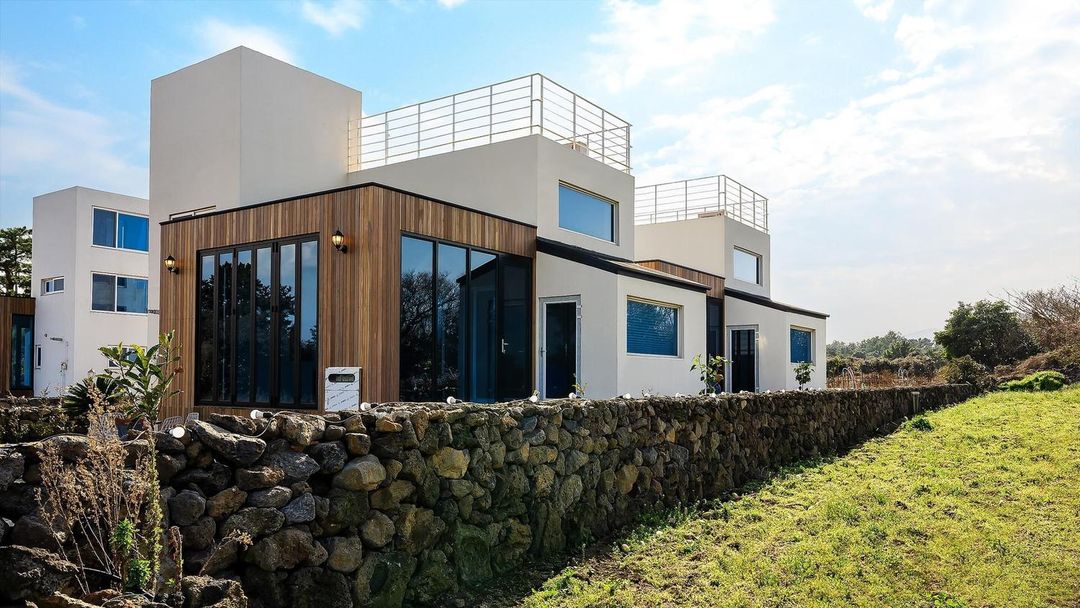
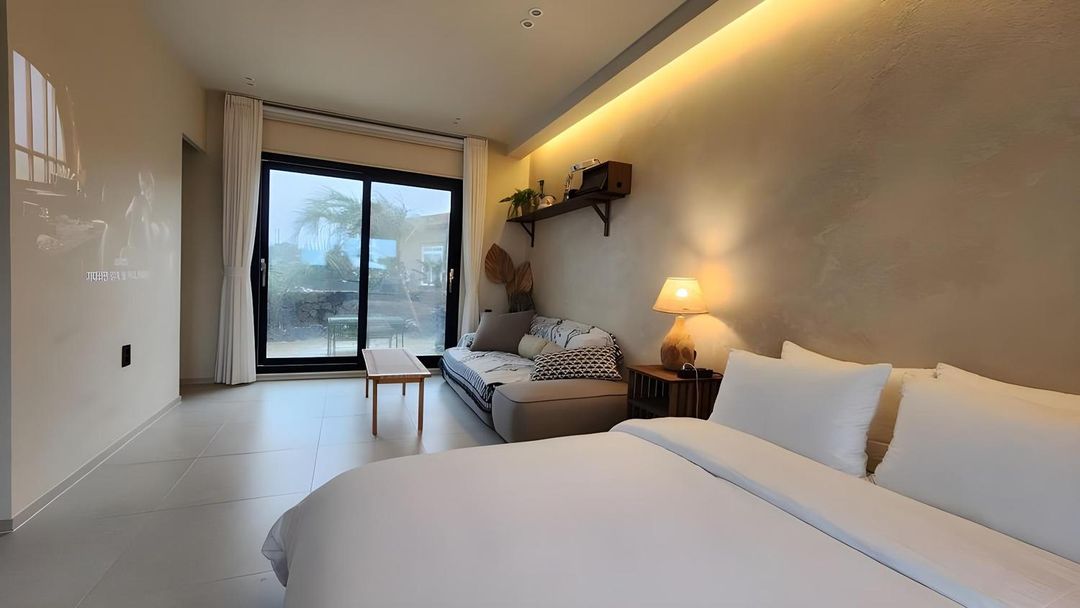
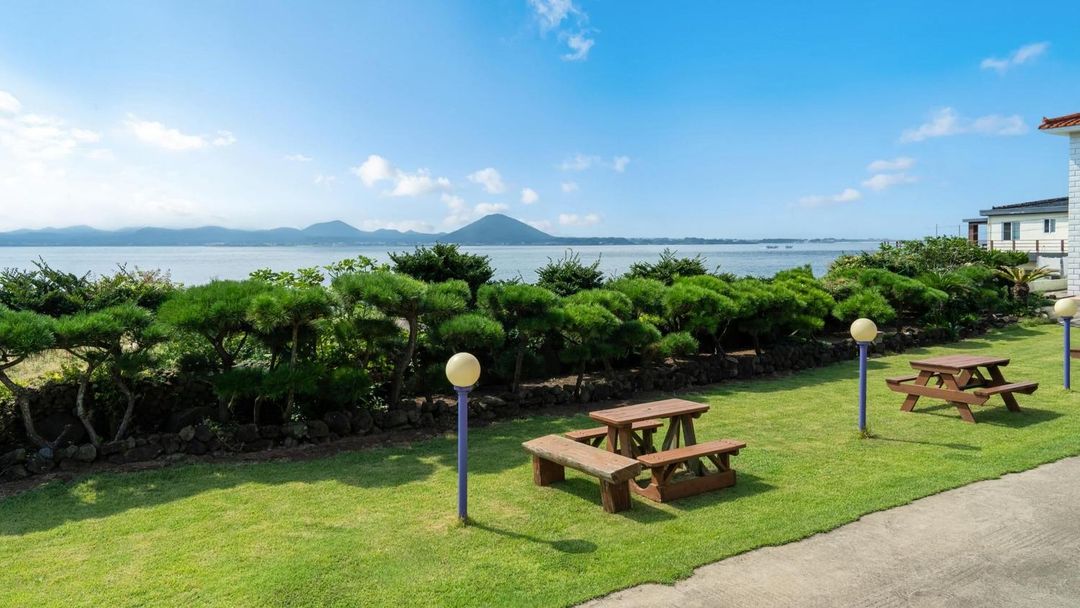
Stay at Jeju East Sea View Resort, just a 15-minute drive from Udo Dolmen, offering traditional Korean courtyard architecture and ocean-view rooms with panoramic views of Hallasan Mountain and the East Sea. The resort provides complimentary shuttle service to Udo Dolmen, enhancing convenience.
Alternatively, choose Udo Island Eco Lodge, located on the island itself, built with eco-friendly materials and surrounded by pristine coastal landscapes. Guests can join guided tours to explore the Neolithic dolmen site, participate in hands-on pottery workshops, and learn about Jeju’s indigenous culture through immersive local experiences, making it ideal for travelers seeking authenticity and sustainability.
The most convenient option is taking the direct airport shuttle bus or HopeGoo a private taxi. Take Jeju City Tour Bus No. 701 from the airport to Jeju City, then transfer to a local minibus bound for the Udo Ferry Terminal, with a short 15-minute crossing to the island.
For time efficiency, pre-book a private car transfer from the airport to Udo Dolmen—approximately 45 minutes—enjoying scenic views of Jeju’s volcanic terrain and coastal cliffs along the way. Many hotels also offer door-to-door pickup services.
Alternatively, rent an electric scooter or motorcycle at the terminal for a flexible, eco-friendly exploration of the island, allowing you to visit Neolithic dolmens, wild bird habitats, and secluded coves at your own pace.
Don’t miss the guided tour of the Neolithic dolmens, led by expert local guides who explain the site’s significance in Jeju’s ancient spiritual beliefs. Learn about burial customs and ancestral reverence through storytelling and archaeological insights.
Participate in traditional farming workshops, where visitors practice ancient plowing techniques and plant indigenous crops like millet, connecting with Jeju’s agrarian roots. During spring, join the Dolmen Festival, featuring traditional dances, music, and rituals honoring nature and ancestors. Attendees can wear hanbok (traditional attire), learn ceremonial etiquette, and savor local delicacies such as black pork soup and Jeju millet rice—offering a rich, immersive cultural experience.
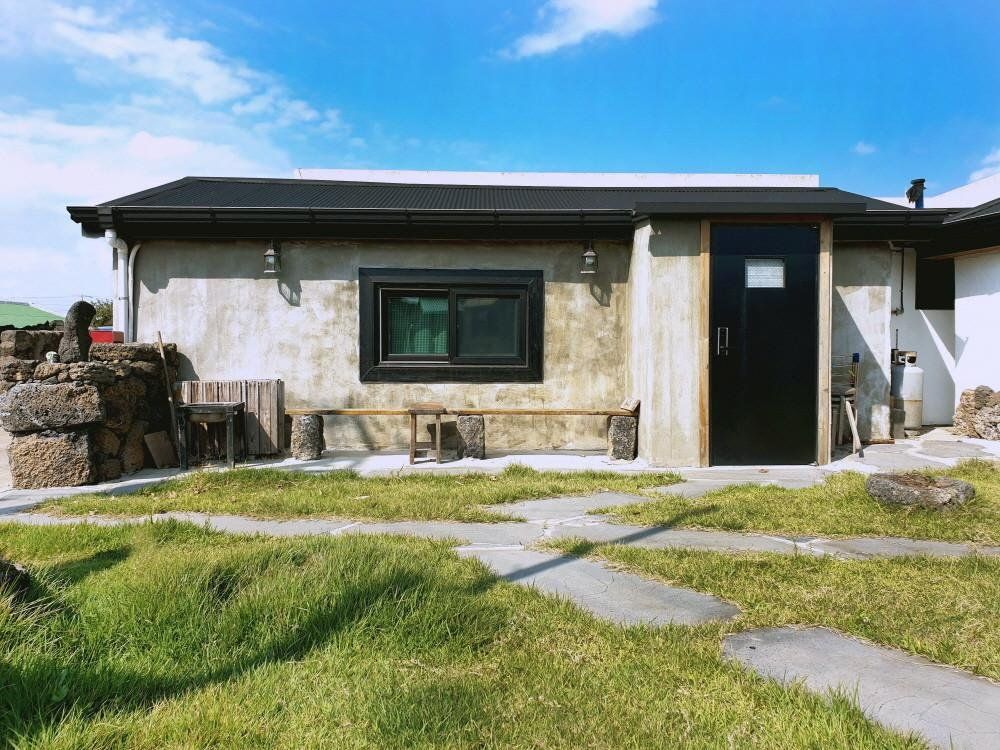
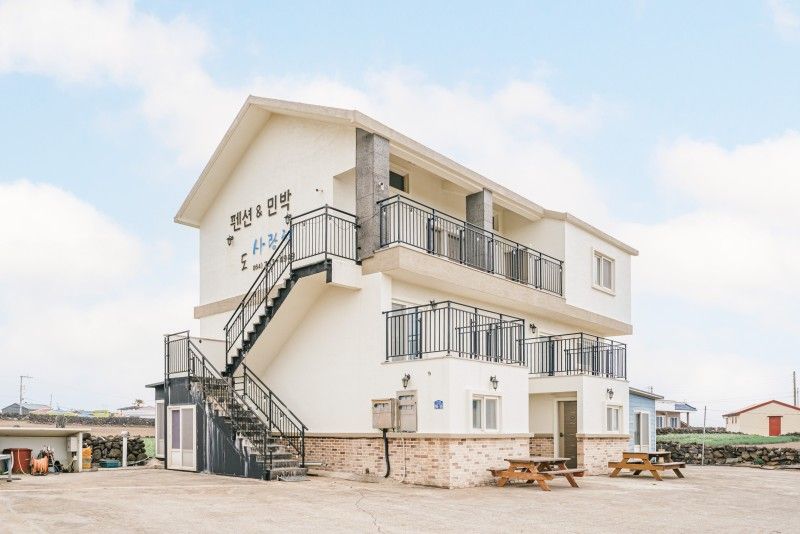
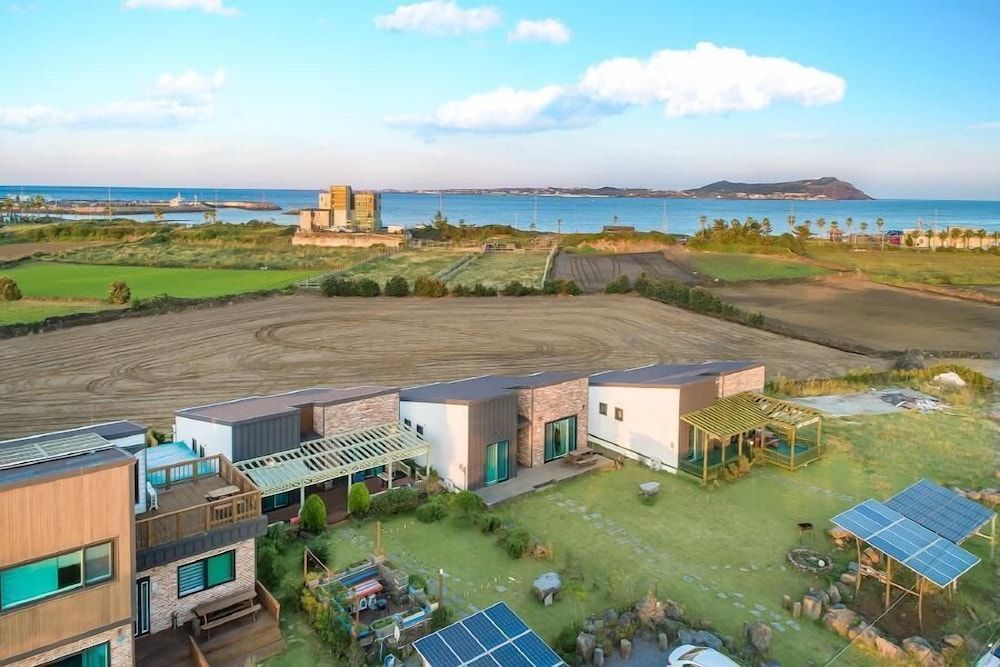
Stay at a coastal guesthouse in eastern Jeju Island, just a 15-minute drive from Udo Dolmen, offering breathtaking views of the sun rising over the sea. These traditional Korean-style lodgings blend modern comfort with local architecture, many featuring private beach access. Book early during spring to early summer to avoid peak season crowds. Hosts often provide guided tours to nearby prehistoric stone sites and nature trails, immersing guests in Jeju’s unique cultural and natural heritage.
Driving is highly recommended for flexibility and convenience. From Jeju City, it takes about 40 minutes via National Route 31 to Daejeong-eup, then follow local roads to the site. The scenic route passes through charming fishing villages at the foot of Halla Mountain. Alternatively, take Bus 701 from Jeju City to "Udo Dolmen Station," but buses are infrequent—check schedules in advance. Visit during early morning or late afternoon to avoid midday heat and enjoy a quieter, more contemplative experience.
Join a Neolithic workshop hosted by local cultural organizations, where you can craft replica stone axes and pottery, gaining insight into the daily life of prehistoric inhabitants of Jeju Island. Guided tours also reveal hidden stone formations believed to have served as astronomical observatories or ritual sites. Some programs include nighttime lantern tours, illuminating ancient stones under the stars, evoking the spiritual connection early peoples had with celestial patterns. Reservations are required; opt for weekend or festival dates to fully immerse in the island’s living heritage.
There are no official hotels providing free shuttles to Udo Dolmen, but some resorts like ocean villas in southern Jeju include scheduled shuttle services for guests, with fees covered in the room rate. Opt for accommodations near Seogwipo City, which are strategically located along major tourist routes and often partner with tour agencies to offer all-inclusive day trips including transport, guided tours, and meals. For independent travelers, renting a car is advisable—use smartphone navigation to set your destination as "Udo Dolmen Site" for accurate routing. Confirm timing in advance to ensure you arrive during optimal visiting hours.
Udo Dolmen is open year-round, from 8:00 AM to 6:00 PM daily, with last entry at 5:30 PM. During summer (June–September), visit early morning or late afternoon to avoid intense heat. Winter hours may be temporarily adjusted due to strong winds—verify current timings via the Jeju Special Self-Governing Province Cultural Heritage Office website or by contacting the local tourism center. On-site, you’ll find basic signage and maps, plus rental audio guides that provide detailed insights into its significance as a Neolithic ritual site.
Explore more amazing destinations