Transportation in Hong Kong

HopeGoo Travel Adviser
Last Updated: 2026-03-26 15:36:14
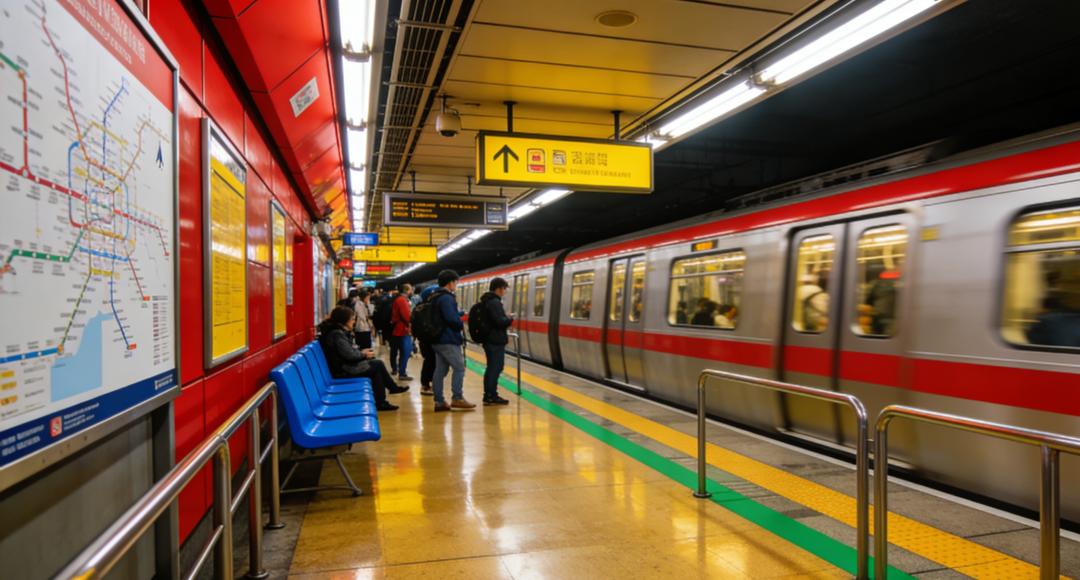
Hong Kong—a global crossroads of culture, business, and innovation—boasts one of the most advanced and efficient transportation systems in the world. For locals, it drives daily commutes; for travelers, it opens the city's neighborhoods, markets, and skyline with ease. In this updated guide, we'll explore how to get around Hong Kong, from the MTR to ferries, buses, taxis, and ride-sharing services. You'll also learn practical travel tips and how HopeGoo's services can simplify your journey across this vibrant metropolis.
Overview of Transportation Options in Hong Kong
Hong Kong's public transportation network is world-renowned for its punctuality, safety, and coverage. The city operates a seamless mix of MTR (Mass Transit Railway) lines, public buses, ferries, and taxis—all easily accessible with the Octopus Card, Hong Kong's signature contactless payment method. The MTR serves as the city's backbone. Spanning 11 lines across over 230 kilometers, it handles more than five million passenger trips daily and connects major attractions from Central and Tsim Sha Tsui to Hong Kong Disneyland. It's the fastest and most reliable way to move through the city. Complementing the MTR, buses reach neighborhoods beyond train coverage. Operated by companies like Citybus and KMB, these modern double-decker buses offer an affordable and scenic way to explore Hong Kong's districts. Ferries, including the famous Star Ferry, link Hong Kong Island and Kowloon, offering breathtaking views of Victoria Harbour for a fraction of the price of other transport modes. Meanwhile, taxis, color-coded by region, provide quick and comfortable door-to-door travel at reasonable rates. Together, these systems form an urban web that moves people efficiently—and gives visitors an authentic taste of Hong Kong life.
Navigating the MTR: A Tourist's Best Friend
For travelers, the MTR is the easiest and most efficient option for exploring Hong Kong. Start by purchasing an Octopus Card at the airport, convenience stores, or MTR stations. This versatile card works across trains, buses, ferries, and even retail stores, helping you skip ticket lines and enjoy discounted fares. Stations feature clear bilingual signage in English and Chinese, while announcements are made in multiple languages, making navigation straightforward for international visitors. The MTR Mobile App provides real-time updates on train schedules, route planning, and any service notices. Plan your trips during off-peak hours—usually after 9 a.m. on weekdays—to avoid crowds. Understanding transfer hubs such as Central Station and Admiralty Station will also help you move efficiently between lines and attractions.
Bus Services and Other Public Transport in Hong Kong
The bus network extends the reach of public transport to areas the MTR doesn’t serve, such as hotels near The Peak Hong Kong, Stanley Market, and Shek O Beach. Hong Kong’s iconic double-decker buses not only provide practical transportation but also scenic routes through the city’s skyline and harbor roads. Bus fares depend on distance, so it's best to confirm your route and fare via mobile apps or the KMB and Citybus official websites before boarding. For shorter or quicker journeys, minibuses—either red or green—offer a faster but slightly less predictable form of transport. Their flexibility makes them ideal for spontaneous exploration. Ferries remain essential for reaching the city's outlying islands. Whether you're heading to Lamma Island for a seafood lunch or enjoying a short Star Ferry trip across the harbor, ferry travel offers some of Hong Kong's most unforgettable views. Adopting a mix of these transport modes can make your sightseeing experience richer and more flexible.
Taxis vs. Ride-Sharing: Choosing the Right Option
Both taxis and ride-sharing platforms play a big role in Hong Kong's transport landscape. Taxis are a trusted, government-regulated option. Their colored roofs indicate service zones:
- Red taxis serve urban areas,
- Green taxis operate in the New Territories,
- Blue taxis serve Lantau Island. Fares remain competitive compared to major global cities, and payment is accepted via Octopus Card, cash, or credit card. Ride-sharing apps, such as Uber, offer added flexibility with app-based booking, estimated fares, and driver ratings. While they're convenient, prices can surge during peak demand. Travelers seeking cost certainty may prefer traditional taxis for shorter journeys.
Tips for Efficiently Getting Around Hong Kong
Traveling across Hong Kong can be effortless with a few local strategies in mind:
- Use the Octopus Card: It works across nearly all transport modes and retail outlets, saving both time and effort.
- Plan Your Route: Familiarize yourself with routes using apps like MTR Mobile, KMB, or Google Maps.
- Travel Off-Peak: Avoid rush hours (8:00–9:30 AM and 5:30–7:30 PM) for more comfortable rides.
- Stay Updated: Check live transport updates to avoid service interruptions.
- Bundle Your Bookings: Using accommodation booking sites such as HopeGoo can help you combine hotel, transport, and sightseeing options for better prices and convenience. By following these insights, you'll save valuable time and navigate Hong Kong like a local. Conclusion Hong Kong’s transportation network is more than just infrastructure—it’s part of what makes the city pulse with excitement. From the efficient MTR and scenic ferries to the vibrant double-decker buses and quick taxis, every route offers its own slice of HK sightseeing life.
For route maps, tickets, and latest updates, visit: