Hotels in Hungary
Discover your perfect stay in Hungary.
Hungary Travel 2026: Cheap Flights, Hotels & Top Attractions
Best Hotels in Hungary
Discover curated hotel collections in Hungary
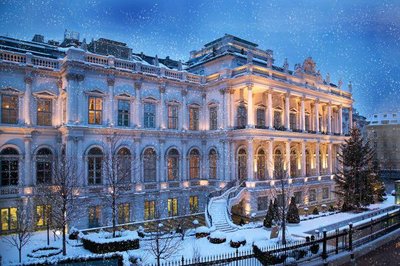
Palais Coburg Residenz
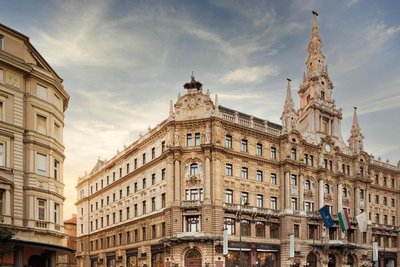
Anantara New York Palace Budapest - A Leading Hotel of The World
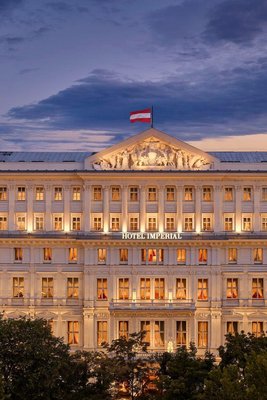
Hotel Imperial, a Luxury Collection Hotel, Vienna
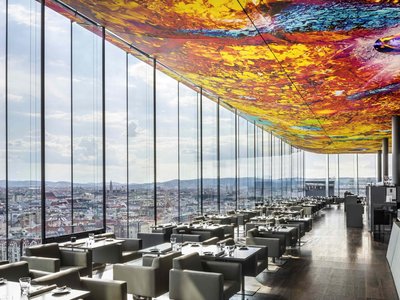
SO/ Vienna
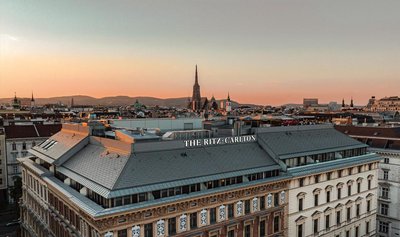
The Ritz-Carlton, Vienna
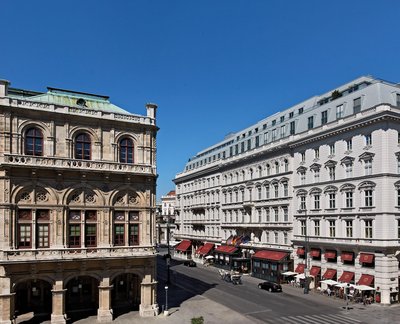
Hotel Sacher Wien
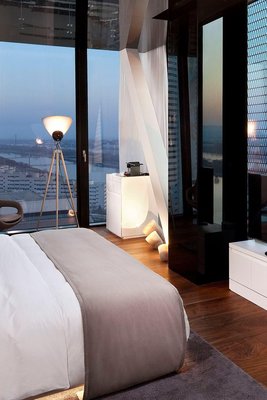
Melia Vienna
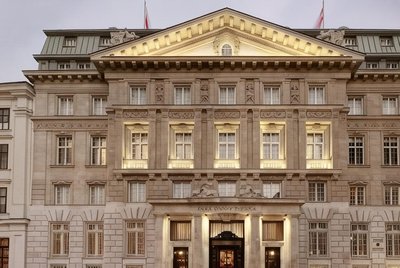
Park Hyatt Vienna
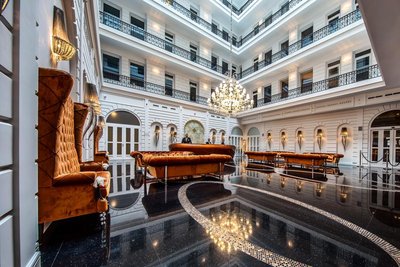
Prestige Hotel Budapest
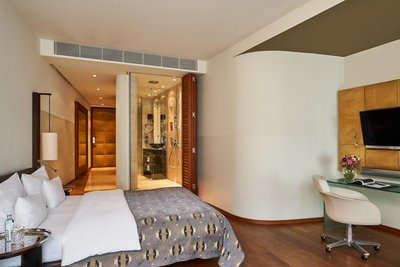
Do&CO Hotel Vienna
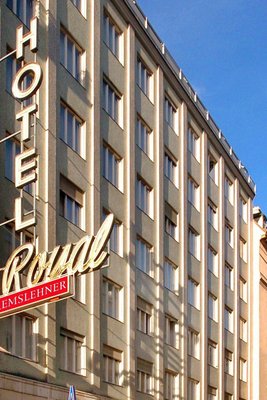
Hotel Royal
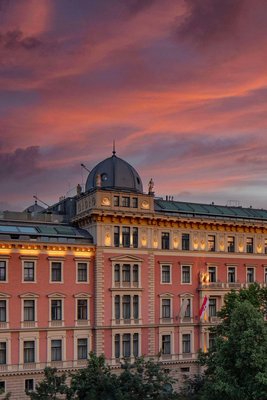
Anantara Palais Hansen Vienna
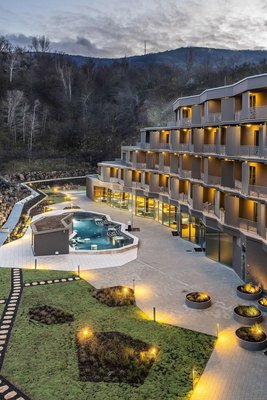
Minaro Hotel Tokaj MGallery
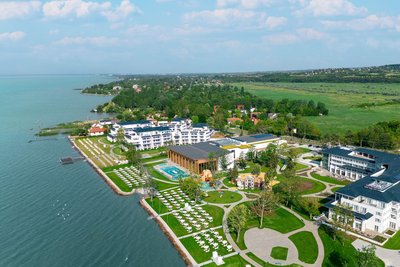
Mövenpick BalaLand Resort Lake Balaton
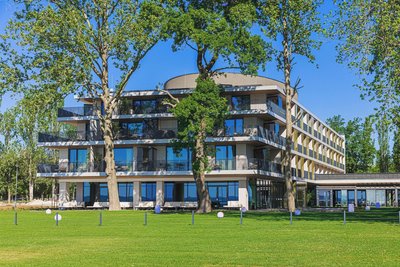
Lua Resort - Adults Only
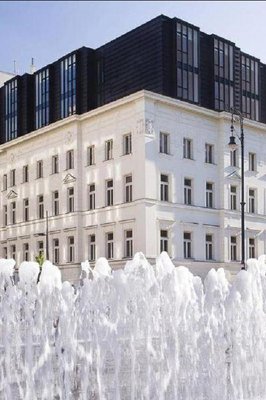
Verno House Budapest, Vignette Collection
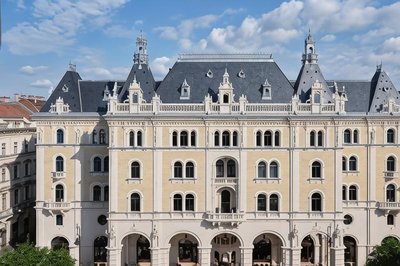
W Budapest
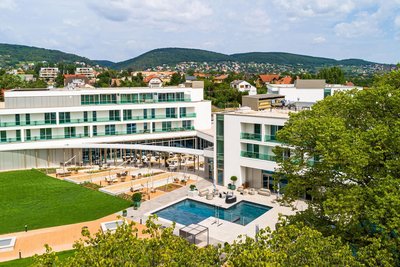
Hotel Vinifera Wine & Spa
Kempinski Hotel Corvinus Budapest
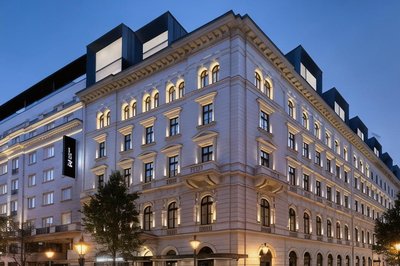
Dorothea Hotel, Budapest, Autograph Collection
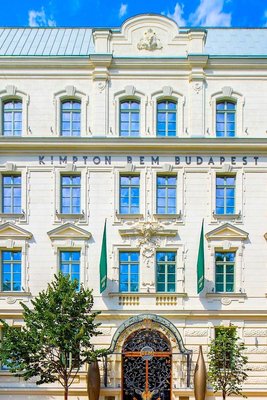
Kimpton Bem Budapest
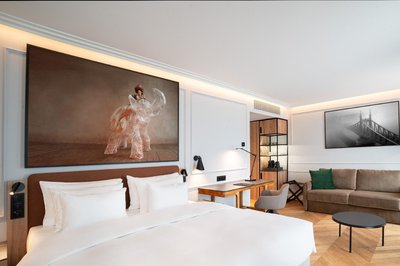
Radisson Collection Hotel, Basilica Budapest
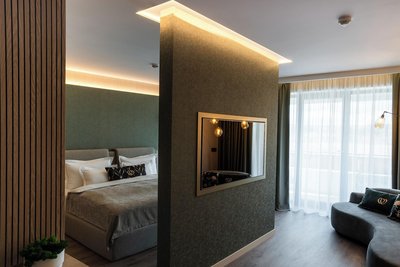
Le Primore Hotel & Spa
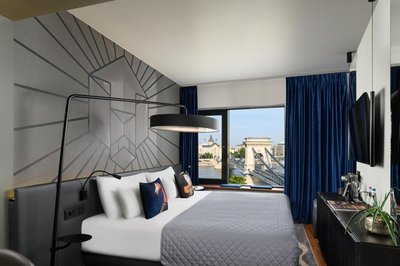
Hotel Clark Budapest - Adults Only
Anantara New York Palace Budapest - A Leading Hotel of The World
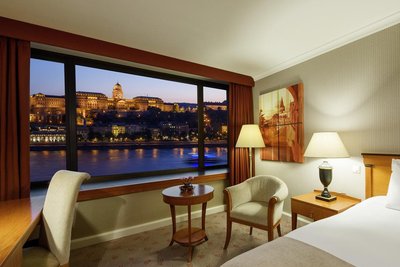
InterContinental Budapest
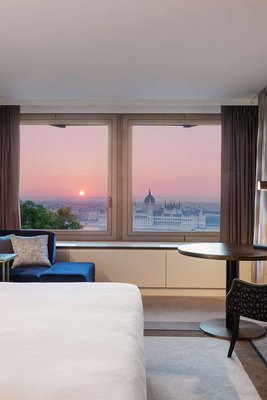
Hilton Budapest
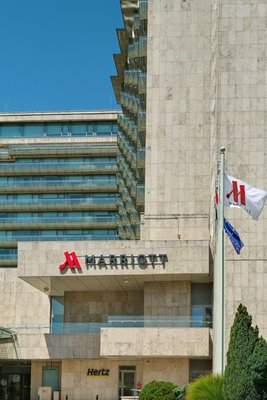
Budapest Marriott Hotel
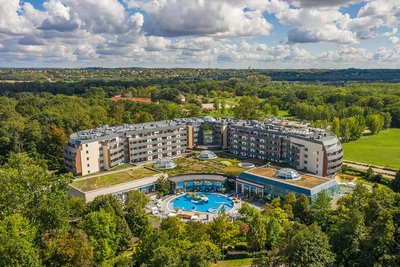
Spirit Hotel Thermal Spa
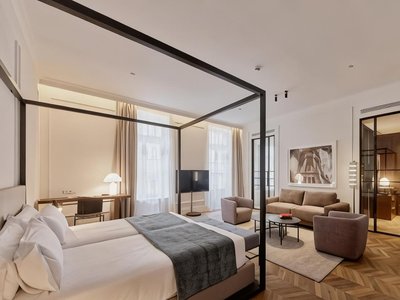
Kozmo Hotel Suites & Spa - Small Luxury Hotels of the World
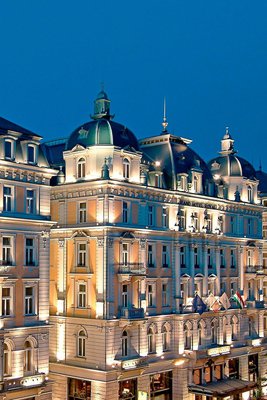
Corinthia Budapest
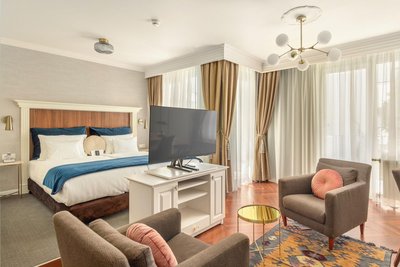
Queen's Court Hotel & Residence
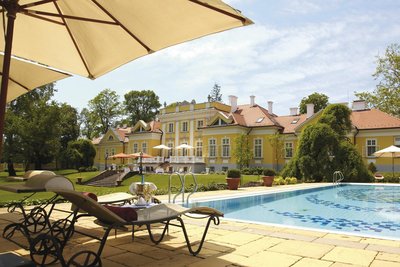
Hertelendy Kastély Exclusive
Palais Coburg Residenz
Hotel Imperial, a Luxury Collection Hotel, Vienna
The Ritz-Carlton, Vienna
Hotel Sacher Wien

The Amauris Vienna - Relais & Châteaux
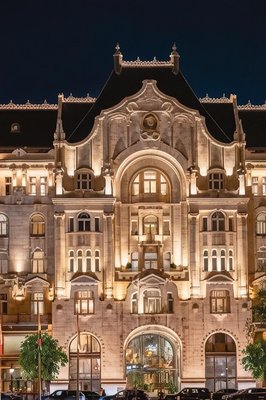
Four Seasons Hotel Gresham Palace Budapest
Park Hyatt Vienna
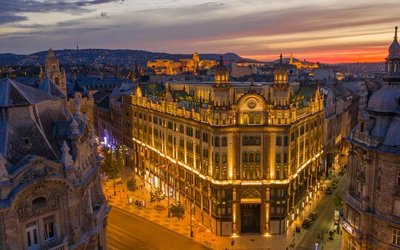
Párisi Udvar Hotel Budapest - The Unbound Collection by Hyatt
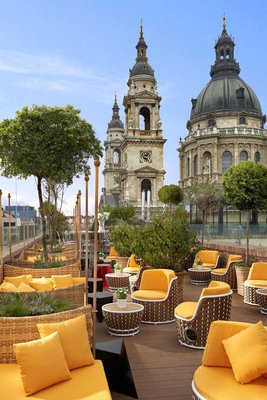
Aria Hotel Budapest by Library Hotel Collection
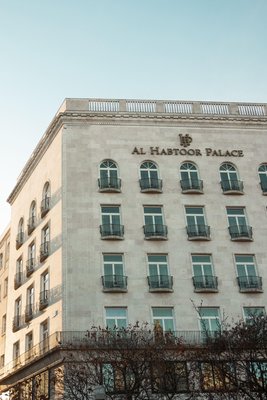
Al Habtoor Palace Budapest
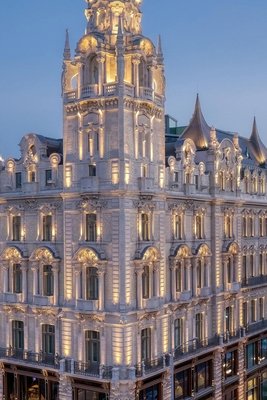
Matild Palace, a Luxury Collection Hotel, Budapest

Grand Hotel Kempinski High Tatras
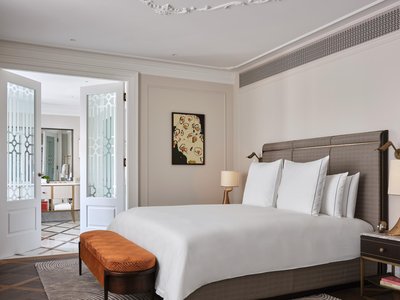
Rosewood Vienna
W Budapest
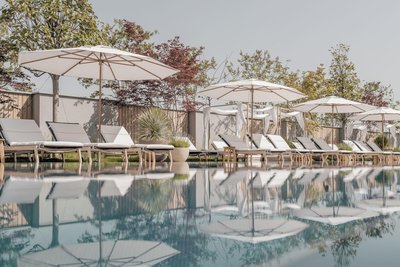
Nils am See - Adults Only
Hotel Clark Budapest - Adults Only
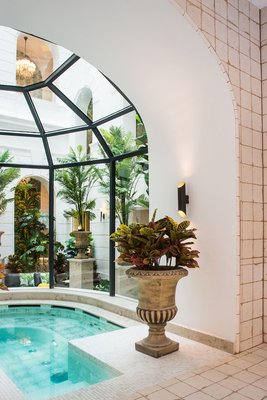
Mystery Hotel Budapest, Preferred Hotels & Resorts
Hilton Budapest
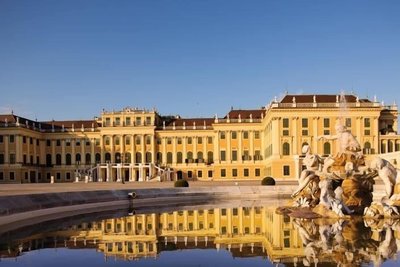
Boutiquehotel Das Tyrol
Four Seasons Hotel Gresham Palace Budapest
Budapest Marriott Hotel
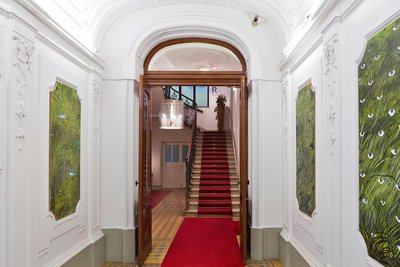
Small Luxury Hotel Altstadt Vienna
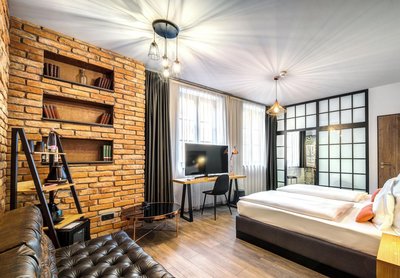
Hotel Memories OldTown
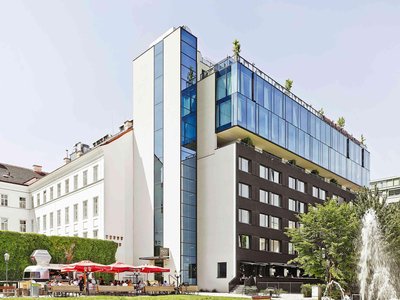
25Hours Hotel Vienna at MuseumsQuartier
Párisi Udvar Hotel Budapest - The Unbound Collection by Hyatt
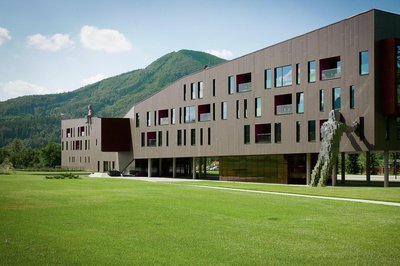
Miura Hotel
Aria Hotel Budapest by Library Hotel Collection
Al Habtoor Palace Budapest
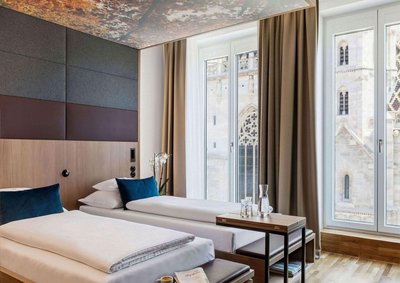
Boutique Hotel am Stephansplatz
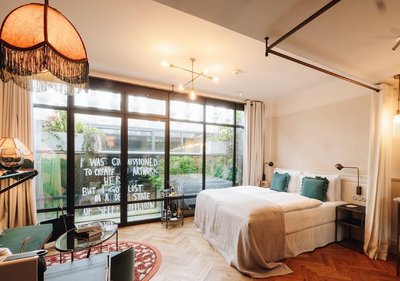
Hotel Motto
Rosewood Vienna
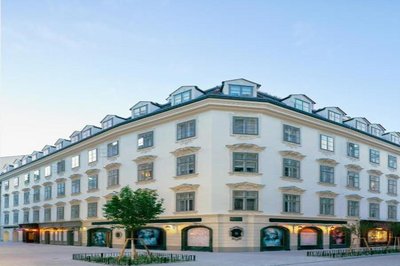
The Leo Grand
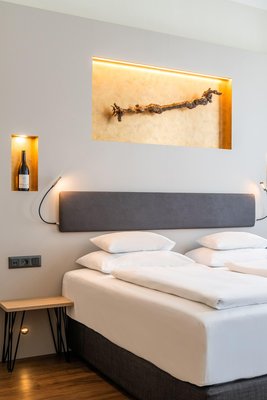
Hotel Rathaus - Wein & Design
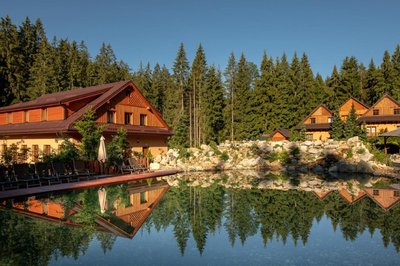
Wellness Hotel Ondrášův dvůr
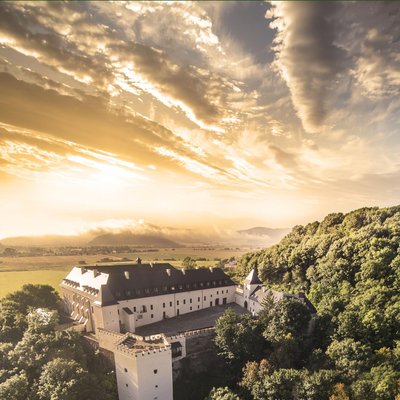
Hotel Grand Vígľaš
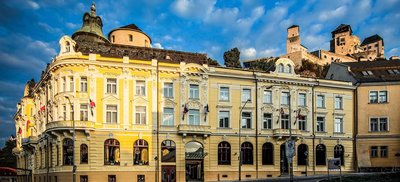
Hotel Elizabeth
Palais Coburg Residenz
Anantara New York Palace Budapest - A Leading Hotel of The World
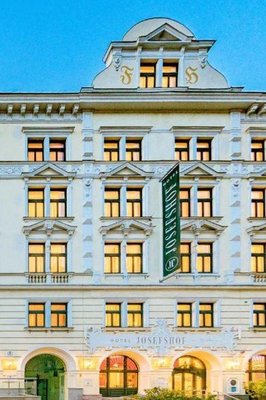
Hotel Josefshof am Rathaus
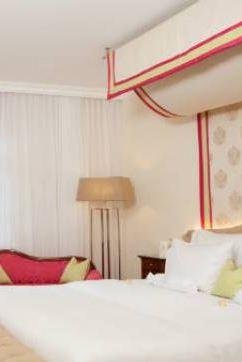
Hotel Kaiserhof Wien
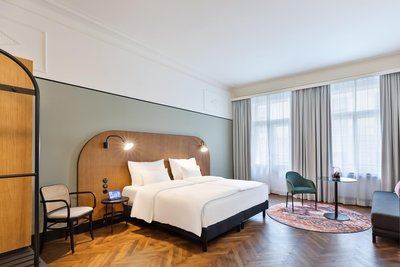
Hotel Astoria Vienna, Curio Collection by Hilton
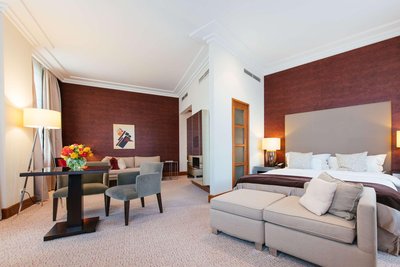
Radisson Blu Style Hotel Vienna
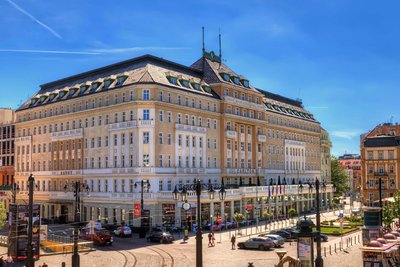
Radisson Blu Carlton Hotel Bratislava
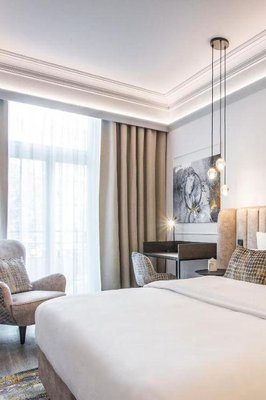
O11 Boutique Hotel Vienna
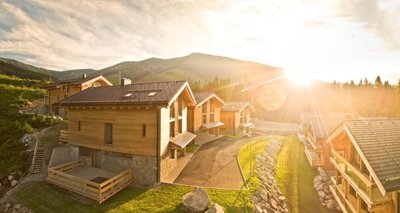
Chalets Jasná Collection Centrum
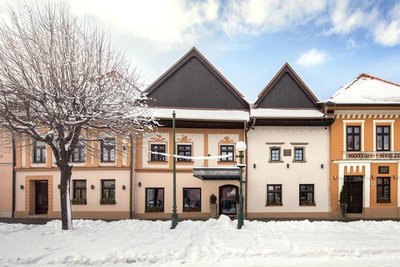
Boutique Hotel Hviezdoslav
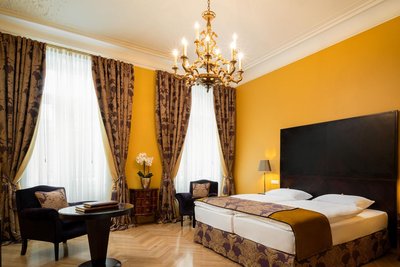
Appartement-Hotel an der Riemergasse
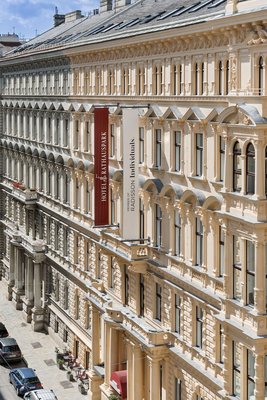
Hotel Rathauspark Wien, a member of Radisson Individuals
Hotel Ambassador
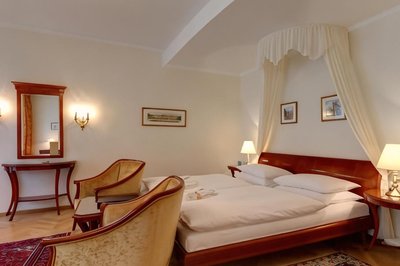
Hotel Kaiserin Elisabeth
Hotel Motto
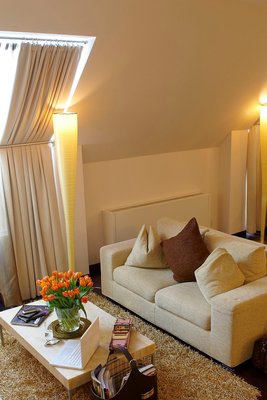
MyPlace Premium Apartments
Anantara Palais Hansen Vienna
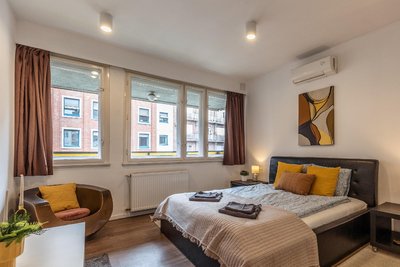
Gems of Budapest - Tiger Eye Residence
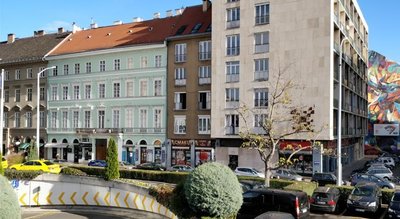
BP Apartments N1
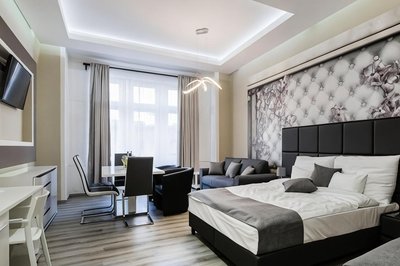
A Golden Star Modern Luxury Apartments and Suites Budapest
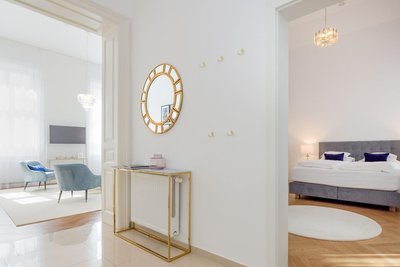
Rafael Kaiser - Premium Apartments City Centre
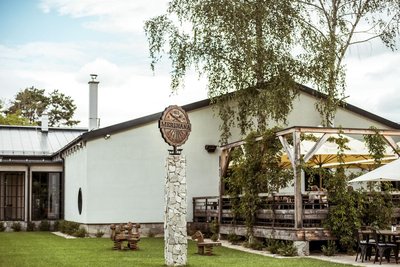
Penzión & Wellness Meridiana Bojnice Rezort
Wellness Hotel Ondrášův dvůr
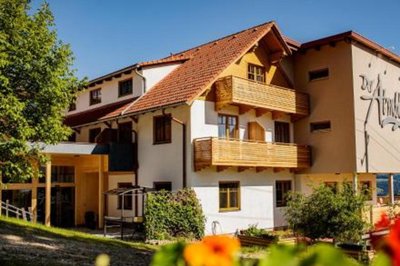
Der Almblick
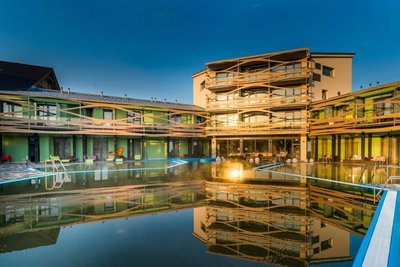
Hotel Galeria Thermal Bešeňová
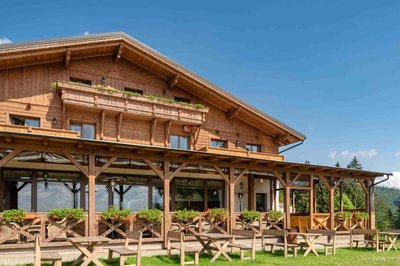
Wellness Aparthotel Martiňák
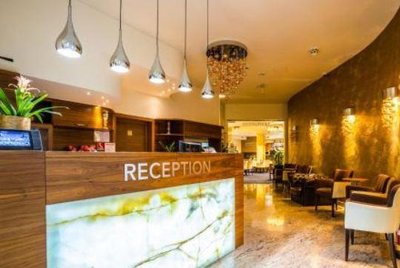
Wellness Hotel LÖWE
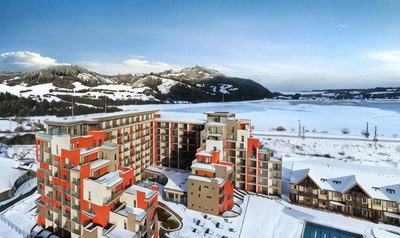
Hotel Akvamarín

Tee House Čeladná
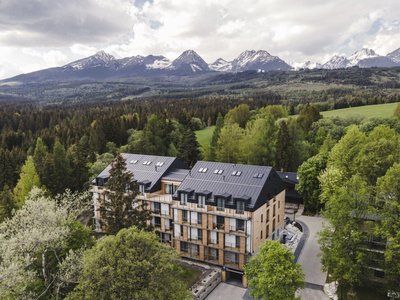
Arietes Marmont Resort

Hotel Maralák

Boutique Hotel Vinařství Škrobák
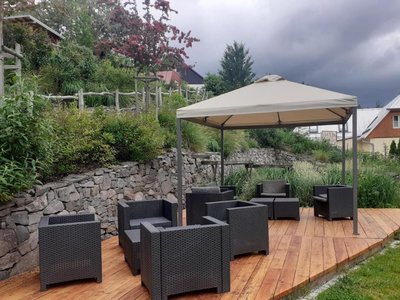
Boutique Hotel Siglisberg
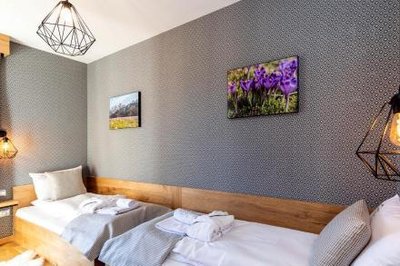
Tatra Resort & Spa
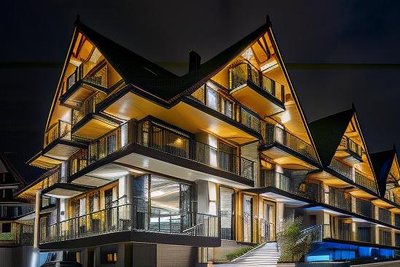
Aparthotel Prestige
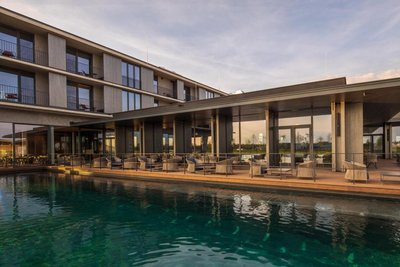
Scheiblhofer the Resort
Hotel Grand Vígľaš

Naturhotel Bauernhofer
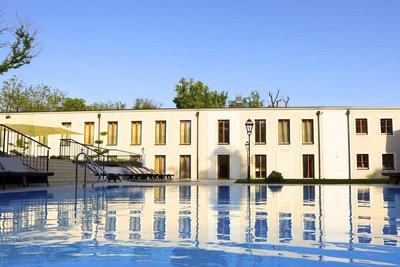
Schlosspark Mauerbach - Adults Only
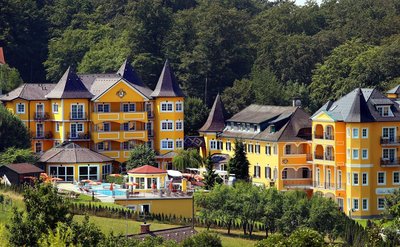
Schlossl Hotel Kindl
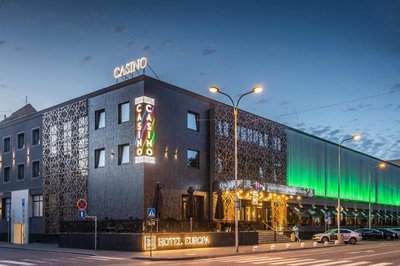
Hotel Europa
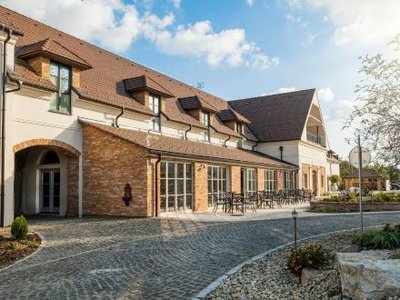
Arkady Hof Hotel
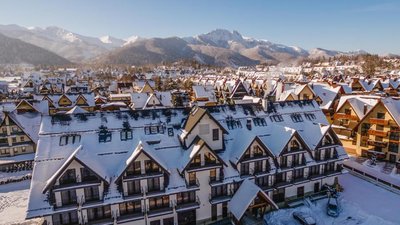
Hotel Paryski Art & Business Zakopane - Basen Jacuzzi Sauna Małpi Gaj
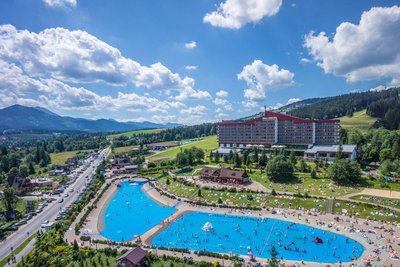
Bachleda Hotel Kasprowy
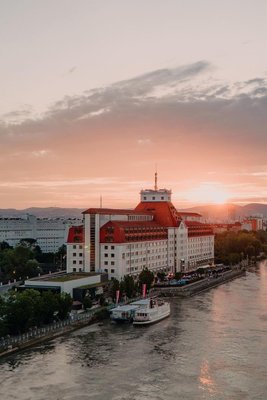
Hilton Vienna Waterfront
Four Seasons Hotel Gresham Palace Budapest
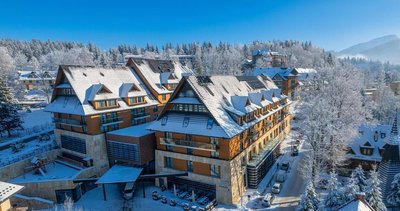
Radisson Blu Hotel & Residences, Zakopane
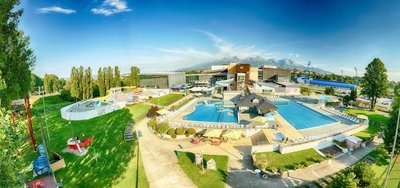
Hotel AquaCity Mountain View
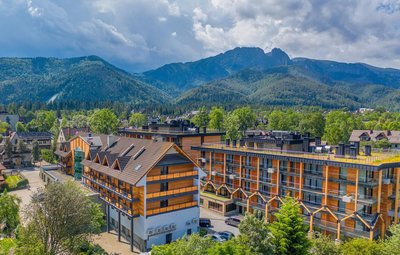
Bachleda Residence Zakopane
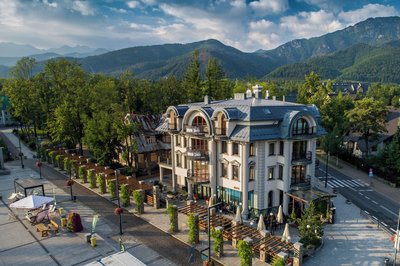
Aparthotel Cristina
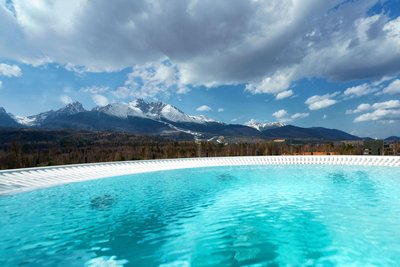
Horizont Resort
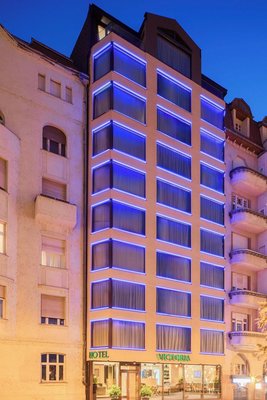
Boutique Hotel Victoria Budapest
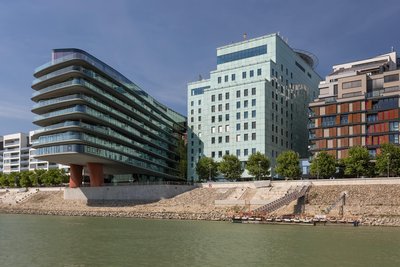
Grand Hotel River Park, a Luxury Collection Hotel, Bratislava
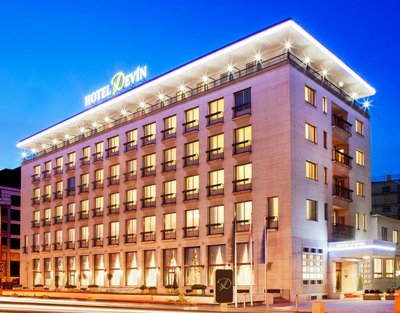
Hotel Devin
Grand Hotel Kempinski High Tatras
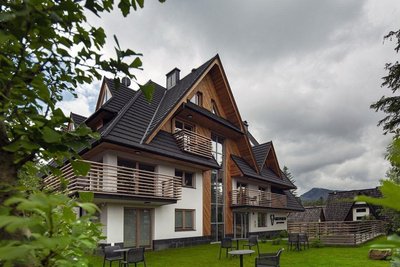
Green Deer Premium
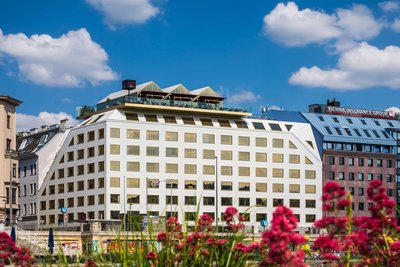
Radisson Red Vienna
Frequently Asked Questions about Traveling to Hungary
Questions You Might Need to Know About Traveling to Hungary
Trip in Hungary
Country Summary
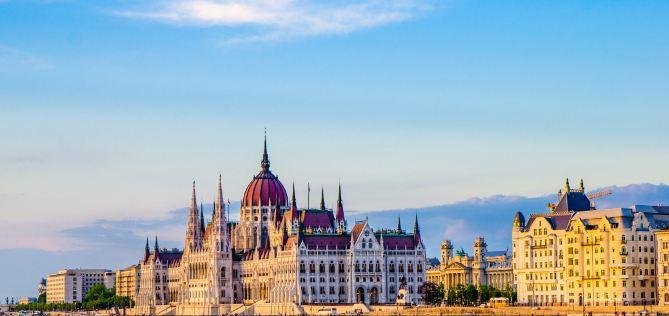
Hungary, located in Central Europe, is renowned for its rich history, culture, and unique natural landscapes. The capital, Budapest, often called the "Pearl of the Danube," boasts stunning landmarks like Buda Castle and the Hungarian Parliament Building, with their night-time reflections on the river creating a breathtaking view. Hungary is also famous for its thermal bath culture, with Széchenyi Thermal Bath being one of the largest in Europe. Additionally, traditional delicacies like Tokaji wine and goulash soup are must-tries for visitors. Whether you're a history enthusiast or a food explorer, Hungary has something to offer.
Must-See Attractions
Hungary, located in Central Europe, is renowned for its rich history, culture, and natural landscapes. The capital, Budapest, often called the "Pearl of the Danube," boasts iconic landmarks like Buda Castle, Fisherman’s Bastion, and the Hungarian Parliament Building. Visitors can stroll along the Danube River, admiring the stunning views, or relax in famous thermal baths such as Széchenyi Thermal Bath. Hungary is also famous for its wine regions, particularly Tokaji sweet wine. For nature lovers, Lake Balaton, the largest freshwater lake in Europe, offers activities like boating, swimming, and cycling. Don’t miss Hungary’s traditional cuisine, including goulash soup and lángos.
Food Guide
Hungary is renowned for its rich culinary culture, blending Central European and Balkan influences. Goulash, the national dish, is a hearty stew made with beef, paprika, and potatoes, offering a warm and robust flavor. Another must-try is Lángos, a deep-fried flatbread typically topped with sour cream, cheese, and garlic, a staple of street food. Hungary’s dessert wines are also exceptional, particularly Tokaji, often called the "Wine of Kings." Additionally, paprika plays a central role in Hungarian cuisine, adding a distinctive spice to many dishes.
Transportation Guide
Hungary, located in Central Europe, boasts a rich history and cultural heritage, with its capital Budapest often referred to as the "Pearl of the Danube." The city offers excellent public transportation, including metro, tram, and bus networks. Purchasing a Budapest Card provides unlimited travel and discounts at multiple attractions.
For longer journeys, Hungary’s rail system (MÁV) connects major cities like Debrecen and Szeged, offering comfortable and affordable travel. Renting a car is also a great option, especially for exploring rural areas such as Lake Balaton.
Travel tip: Avoid public transport during peak hours and stay vigilant against pickpockets in tourist-heavy areas. If you plan to visit multiple museums or attractions, the Budapest Card is highly recommended for its value.
Best Time to Visit
Hungary is a Central European country rich in history and culture, with its capital Budapest famously known as the "Pearl of the Danube." The best times to visit are spring (April to June) and autumn (September to October), when the weather is mild and crowds are thinner, making it ideal for exploring architectural marvels like Buda Castle and the Parliament Building. Summer (July to August) is lively but crowded and hot, while winter (November to March) is colder, though thermal baths (such as Széchenyi Bath) offer a perfect retreat.
Useful Information
Hungary, located in Central Europe, is renowned for its rich history, thermal spa culture, and unique cuisine. The capital, Budapest, often called the "Pearl of the Danube," features stunning landmarks like the Hungarian Parliament Building and Fisherman's Bastion.
Language: The official language is Hungarian, but English and German are widely understood in tourist areas and among younger generations.
Internet & Communication: Hungary has excellent network coverage, and travelers can easily purchase local SIM cards (e.g., Vodafone or T-Mobile) for data services.
Currency & Payments: The official currency is the Hungarian Forint (HUF). Credit cards are accepted in most places, but small shops or markets may only take cash.
Emergencies: Dial 112 for police, ambulance, or fire services. EU citizens can use the European Health Insurance Card (EHIC) for medical assistance.
Hungary is also famous for its thermal baths, such as the Széchenyi Thermal Bath, a perfect spot for relaxation.
Other Countries You Might Like
Explore more amazing destinations