Hotels in Laos
Discover your perfect stay in Laos.
Laos Travel 2026: Cheap Flights, Hotels & Top Attractions
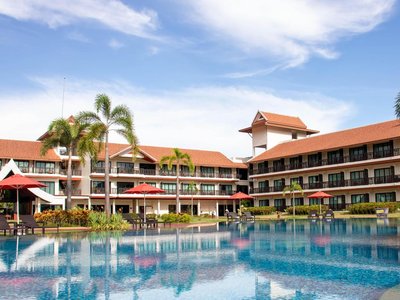
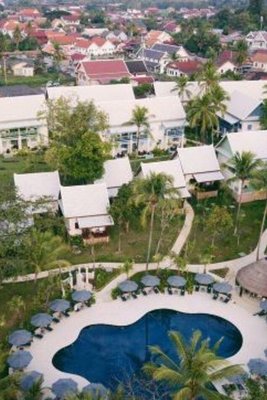
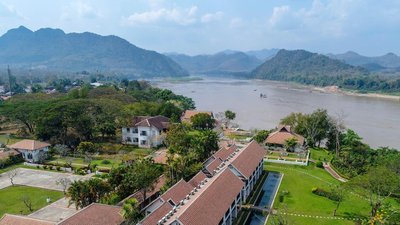
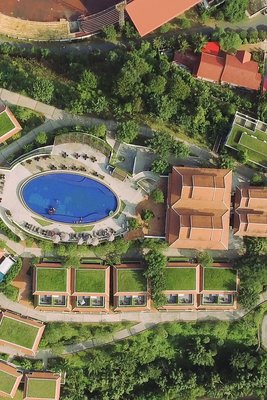
Best Hotels in Laos
Discover curated hotel collections in Laos





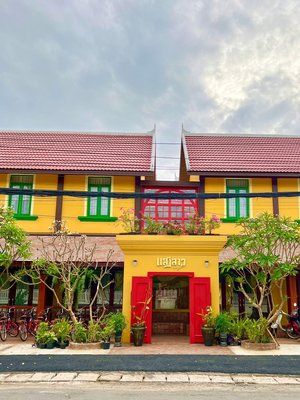
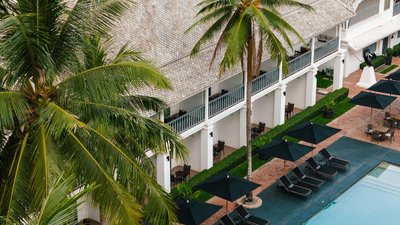
Frequently Asked Questions about Traveling to Laos
Questions You Might Need to Know About Traveling to Laos
For tourists, the top cities to stay in Laos are Luang Prabang and Vientiane.
Luang Prabang, a UNESCO World Heritage site, offers serene temples, golden pagodas, and daily alms-giving ceremonies at dawn. Staying here allows easy access to Mount Phu Si, the Royal Palace Museum, and nearby waterfalls. Vientiane, the capital, blends French colonial charm with modern life, featuring the iconic Patuxai Monument and riverside cafes along the Mekong River. Both cities provide ideal bases for exploring Laos’ rich Buddhist culture and natural beauty.
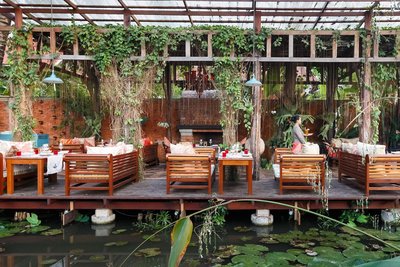
In Laos, travelers can enjoy truly unique lodging experiences such as staying in traditional Lao stilt houses, built on bamboo stilts with open-air designs that promote ventilation and connection to nature. Many boutique hotels, like Sala Lanna Hotel in Luang Prabang or Twin River Resort in Vientiane, incorporate local craftsmanship—featuring handwoven textiles, handmade pottery, and indigenous woodwork. Some lodges even offer overnight riverboat stays on the Mekong or immersive village homestays where guests participate in rice planting, weaving, or cooking classes. These experiences foster authentic cultural exchange and sustainable tourism.
Top hotel recommendations in Luang Prabang include:
-
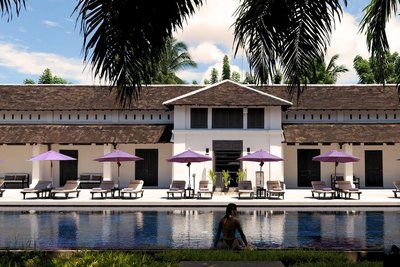
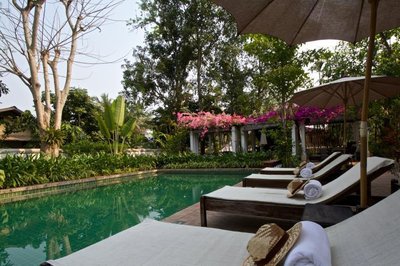
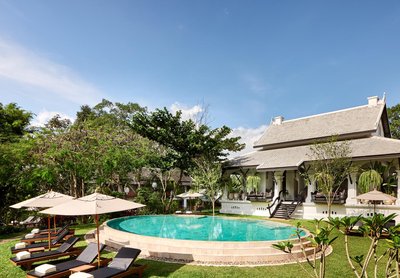
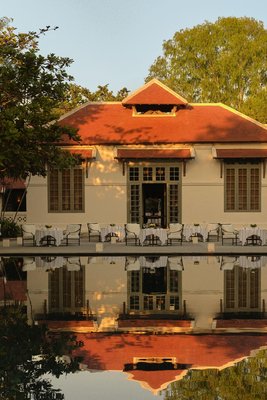
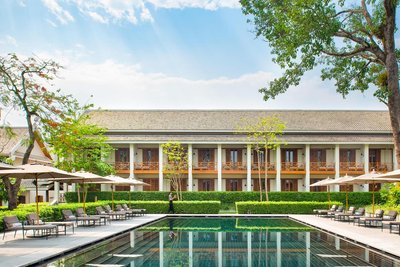
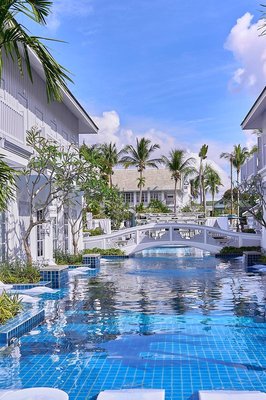
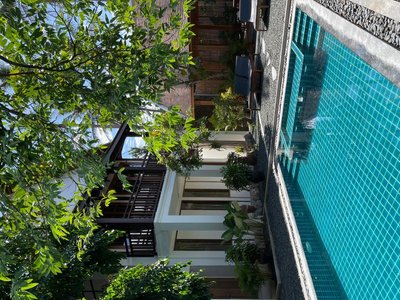
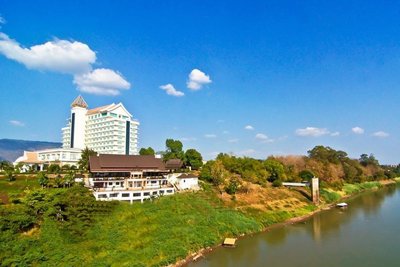
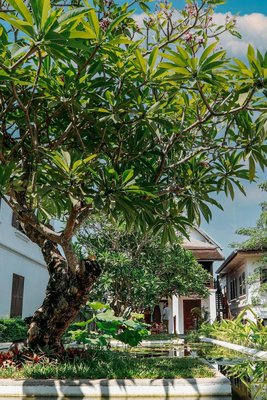
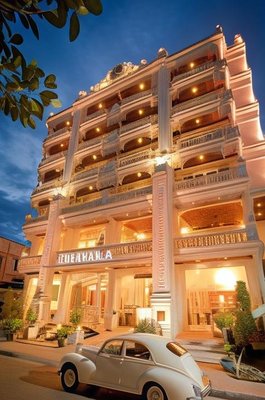
Laos Palace Hotel: Housed in a former royal residence, this elegant property blends French colonial and Lao architectural styles, with a lush courtyard and pool.
-
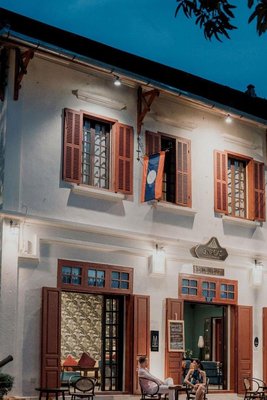
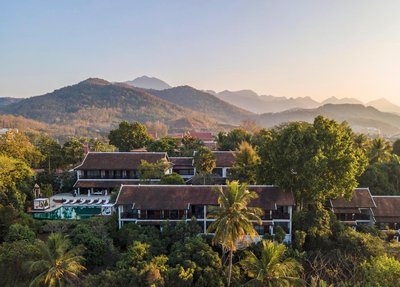
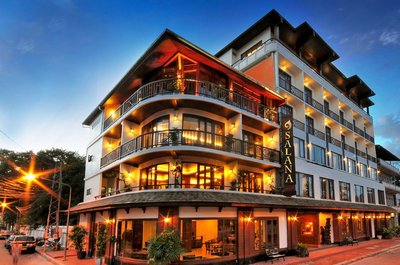
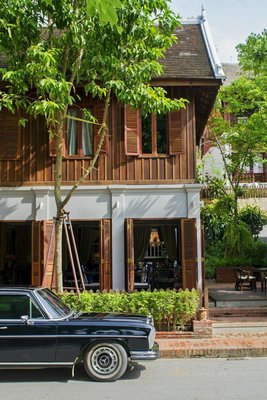
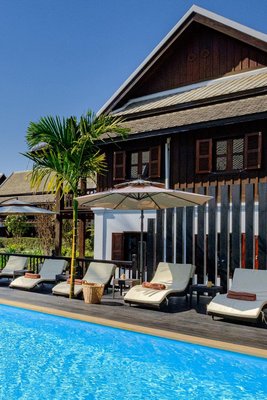
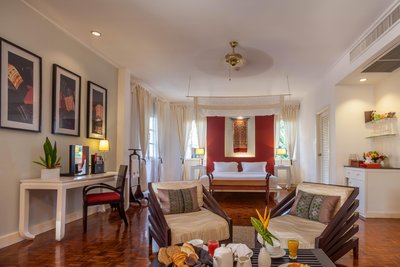
Sala Lanna Hotel: A hidden gem in a quiet alley, this boutique hotel transforms old Lao homes into stylish rooms with handcrafted rugs and bamboo screens.
-
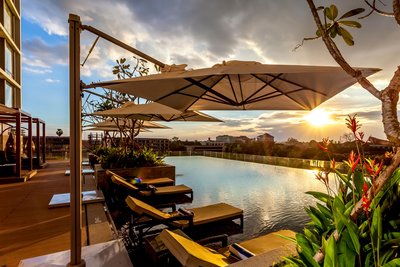
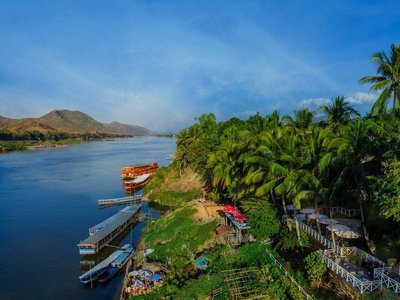
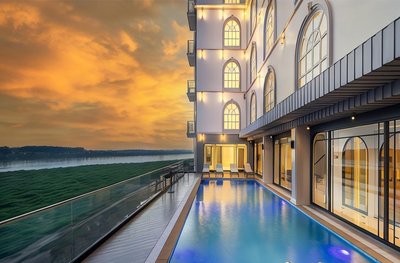
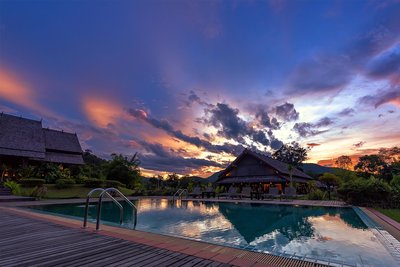
Mekong Riverside Resort: Located directly on the Mekong River, it offers private docks, sunset views, and intimate dinner cruises. All these properties emphasize eco-conscious design and community engagement, making them ideal for culturally immersive travel.
Hotel prices in Laos vary by location and quality:
-
Budget hostels or guesthouses: $10–$30 per night, common in Luang Prabang and Vientiane.
-
Mid-range boutique hotels: $50–$120 per night, offering comfort, breakfast, and guided tours (e.g., Twin River Resort).
-
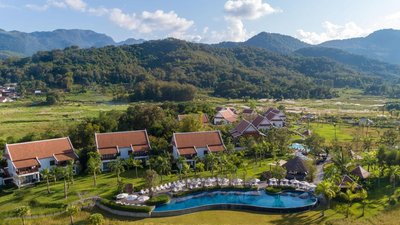
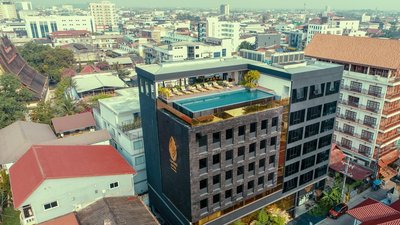
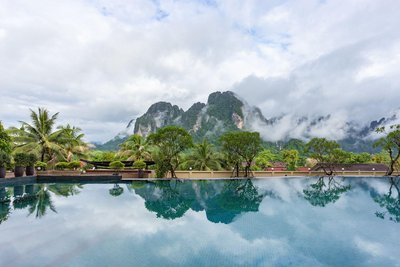
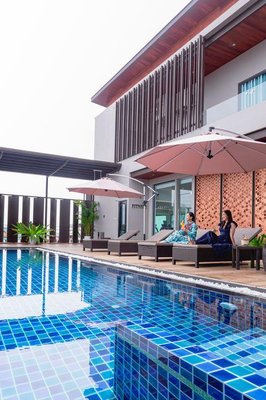
Luxury eco-resorts: $150–$300 per night, often located near the Mekong River with private pools and personalized services. Overall, Laos remains one of Southeast Asia’s most affordable destinations for high-quality accommodations, combining luxury with deep cultural immersion.
Yes, Laos offers several family-friendly accommodations. In Luang Prabang, Mekong Riverside Resort provides spacious family suites, kids’ activities, and organized outings like making sticky rice or elephant trekking (ethically managed). In Vientiane, Twin River Resort features pools, playgrounds, and farm visits where children learn about local agriculture. Many hotels also offer free cribs, child-safe menus, and guided tours tailored for families. The relaxed pace, clean environment, and warm hospitality make Laos an excellent destination for multi-generational travel.
Hotels in Laos deeply integrate local culture through:
-
Traditional Lao architecture, including elevated wooden structures, bamboo walls, and thatched roofs.
-
Daily Buddhist meditation sessions and talks by monks.
-
On-site local cuisine workshops using ingredients like wild mushrooms, fish sauce, and tropical fruits.
-
Collaborations with local artisans—displaying handwoven textiles and ceramics in lobbies. For example, Sala Lanna Hotel supports local weavers and hosts cultural exhibitions. This cultural symbiosis ensures guests don’t just stay—they experience the soul of Laos.
Yes, many hotels in Laos cater to international visitors with multilingual staff. English is widely spoken in tourist hubs like Luang Prabang and Vientiane, especially in boutique and upscale hotels. Some also offer Chinese, Thai, or French support. However, smaller guesthouses in rural areas may have limited language options. It’s advisable to confirm language services when HopeGoo. Many hotels now provide translation apps or visual guidebooks to enhance communication and ensure a smooth, inclusive stay.
Hotels in Laos prioritize traveler safety with measures such as:
-
24/7 security cameras and controlled access.
-
Clean drinking water provided via filtered or bottled sources.
-
Emergency contact cards and medical assistance information available.
-
High-end resorts often hold international certifications like Green Key or ISO standards. While overall crime rates are low, travelers should avoid isolated areas at night and use reputable transport. Choosing well-reviewed hotels in major towns ensures a secure and comfortable stay, allowing full enjoyment of Laos’ peaceful landscapes and rich heritage.
Yes, many hotels in Laos offer guided tours tailored to guest interests. In Luang Prabang, popular options include:
-
Early morning alms-giving ceremony viewing.
-
Guided hikes up Mount Phu Si with historical insights.
-
Mekong River boat trips to floating markets and villages.
-
Adventure excursions like cave explorations and banana boat rides in Vientiane. Premium resorts even provide private guides and custom itineraries—such as visiting ancient temples or rainforest conservation sites. These tours not only enrich the travel experience but also support local communities and sustainable tourism practices.
Hotels in Laos are generally well-connected to transportation networks:
-
In Luang Prabang, most hotels are within walking distance of the bus station, river dock, and airport shuttle stops.
-
In Vientiane, resorts offer free shuttles to main attractions like Patuxai Monument and the Mekong Riverfront.
-
Major hotels partner with airlines for airport transfer services. Improved roads and frequent intercity buses (e.g., Luang Prabang–Vientiane) enhance mobility. Opting for accommodations near main roads or riverbanks maximizes convenience, enabling seamless exploration of both urban and natural landmarks across the country.
Trip in Laos
Country Summary
Laos, a landlocked country in Southeast Asia, is renowned for its stunning natural beauty and rich cultural heritage. With breathtaking karst landscapes, lush tropical forests, and the tranquil Mekong River, it attracts travelers seeking adventure and relaxation. Luang Prabang, a UNESCO World Heritage Site, serves as the cultural heart of Laos, featuring ancient temples and traditional alms-giving ceremonies. The capital, Vientiane, blends colonial architecture with modern amenities. Laos’ slow-paced lifestyle and welcoming locals make it an ideal destination for those escaping the hustle and bustle of city life.
Must-See Attractions
Laos is a mystical Southeast Asian country renowned for its natural beauty and rich culture. The capital, Vientiane, boasts numerous temples like Pha That Luang, reflecting deep Buddhist traditions. Luang Prabang, a UNESCO World Heritage Site, offers ancient temples and the serene morning alms-giving ceremony. Nature lovers can explore the stunning waterfalls of Si Phan Don (Four Thousand Islands) on the Mekong River or enjoy cave explorations and tubing in Vang Vieng. Laos’ slow-paced lifestyle, friendly locals, and unique cuisine (such as Lao noodles) create unforgettable experiences for travelers.
Food Guide
Laos, known as the "Land of a Million Elephants," is a landlocked Southeast Asian country celebrated for its serene Buddhist culture, pristine natural landscapes, and unique culinary traditions. Lao cuisine, influenced by Thai and Vietnamese flavors, retains its rustic charm. Sticky rice (Khao Niao) is a staple, often paired with green papaya salad (Tam Mak Hoong) or Lao sausage (Sai Oua) for a distinctive taste. Larb, the national dish, features minced meat mixed with herbs and fish sauce, offering a tangy and spicy flavor. Street snacks like grilled sticky rice cakes (Khao Jee) and coconut rice cakes (Khao Nom Kok) are also must-tries. Locals often enjoy their meals with Beerlao, a refreshing and popular Lao beer.
Transportation Guide
Laos is a landlocked country in Southeast Asia, renowned for its laid-back lifestyle and stunning natural landscapes. For transportation, tuk-tuks are the most common mode for short distances within cities. For longer journeys, buses connect major cities like Vientiane and Luang Prabang. Additionally, boats are ideal for exploring attractions along the Mekong River.
Travel Tips: It’s advisable to plan your trip in advance, especially during the rainy season (May to October), as some roads may be closed due to weather conditions. The local currency is the Lao Kip (LAK), and cash is preferred, with credit cards only accepted at larger hotels or restaurants.
Best Time to Visit
The best time to visit Laos is from November to February, when the weather is cool and dry (20-28°C), ideal for exploring temples in Luang Prabang and French colonial architecture in Vientiane.
Though tourist crowds peak in the dry season (especially Dec-Jan), it’s preferable to the rainy season (May-Oct) with heavy downpours. Don’t miss cultural festivals like Bun Pi Mai (April) or Boun Ok Phansa (October).
Tip: Pack layers for chilly nights in northern highlands; water levels drop in the Si Phan Don region during dry season, making islands more accessible.
Useful Information
Laos Travel Guide
Language: The official language of Laos is Lao, but English and Thai are also widely understood in tourist areas and cities. Learning a few basic Lao phrases (e.g., "Sabaidee" for hello) can help you connect with locals.
Internet & Communication: Major cities like Vientiane and Luang Prabang have decent mobile network coverage. You can purchase a local SIM card (e.g., Unitel or Lao Telecom) for data and calls. Rural areas may have weaker signals.
Currency & Payments: The currency in Laos is the kip (LAK), but Thai baht and US dollars are often accepted in tourist areas. Carry cash, as credit cards are not widely used, especially in smaller towns.
Emergency Contacts: In emergencies, dial 191 for police or 195 for an ambulance. It’s advisable to have travel insurance for medical or unexpected situations.
Cultural Tips: Laos is a Buddhist country. When visiting temples, remove your shoes and dress modestly (cover shoulders and knees). Avoid touching someone’s head, as it’s considered disrespectful.
Other Countries You Might Like
Explore more amazing destinations