Hotels in Saudi Arabia
Discover your perfect stay in Saudi Arabia.
Saudi Arabia Travel 2026: Cheap Flights, Hotels & Top Attractions
Best Hotels in Saudi Arabia
Discover curated hotel collections in Saudi Arabia
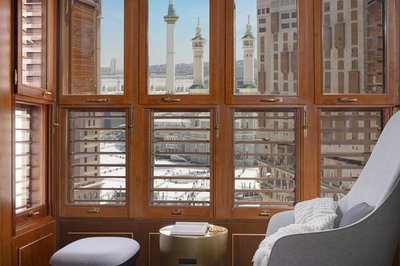
Jumeirah Jabal Omar Makkah
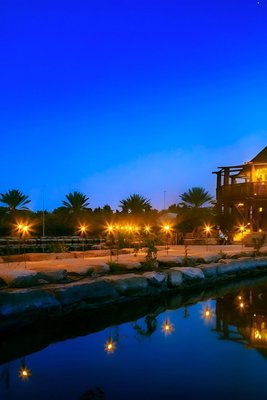
Nofa Riyadh, A Radisson Collection Resort
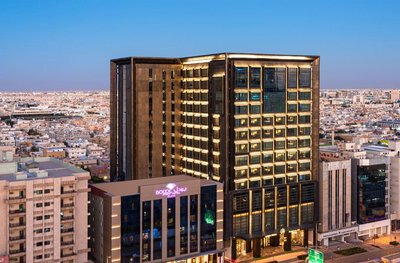
Narcissus the Royal Hotel
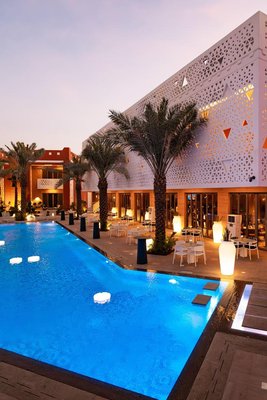
Vivienda Hotel Villas Diplomatic Quarter
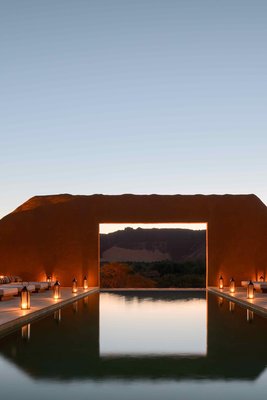
Dar Tantora the House Hotel
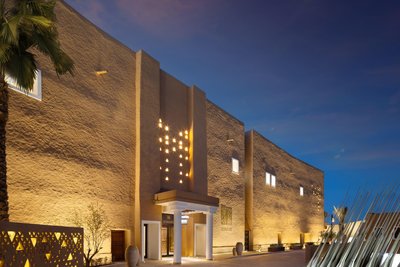
Bab Samhan, a Luxury Collection Hotel, Diriyah
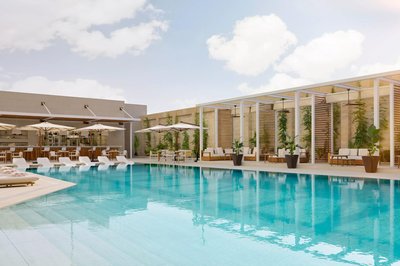
Kimpton KAFD Riyadh by IHG
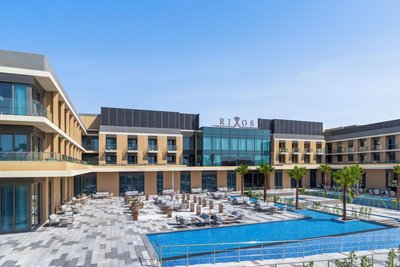
Rixos Obhur Jeddah Resort & Villas
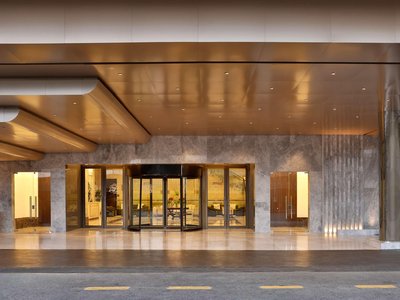
Makkah Clock Royal Tower, A Fairmont Hotel
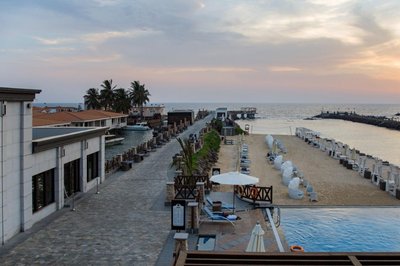
Narcissus Obhur Resort & Spa
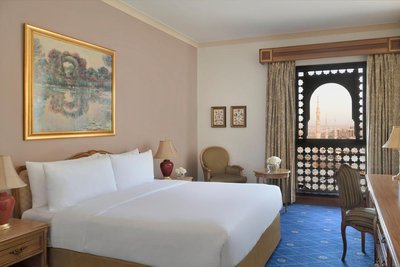
InterContinental Hotels Dar Al Iman Madinah
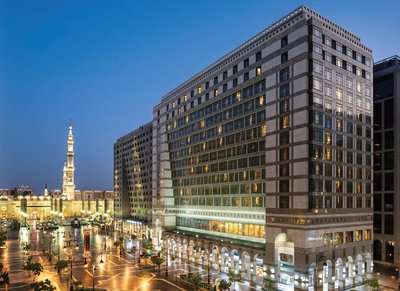
Madinah Hilton
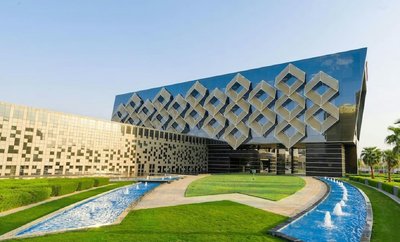
Crowne Plaza Riyadh Rdc Hotel & Convention
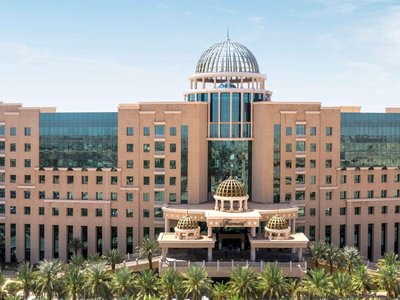
Fairmont Riyadh
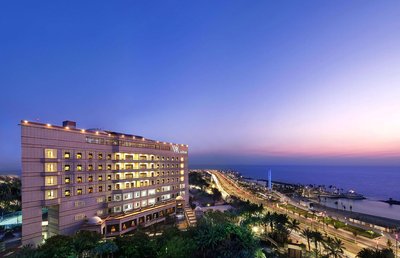
Waldorf Astoria Jeddah - Qasr Al Sharq
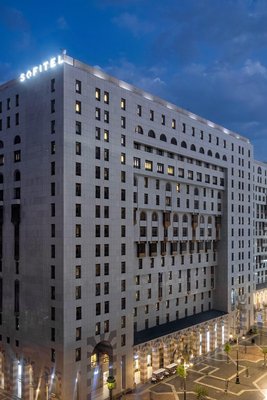
Sofitel Shahd Al Madinah
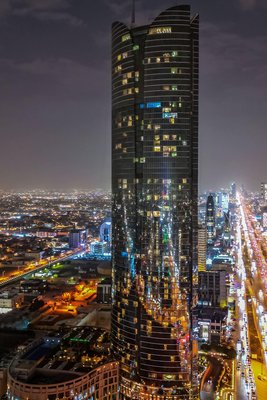
JW Marriott Hotel Riyadh
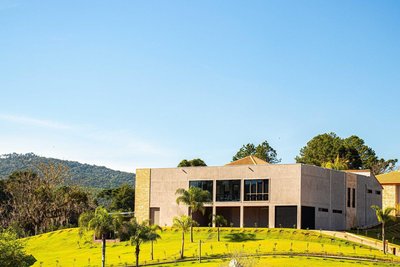
Hotel Vinicola Davo
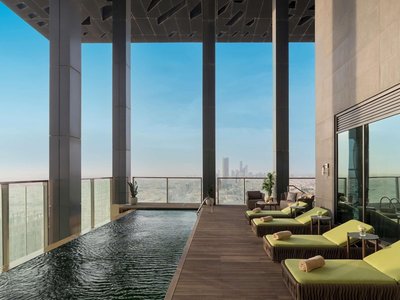
Fairmont Ramla Serviced Residences
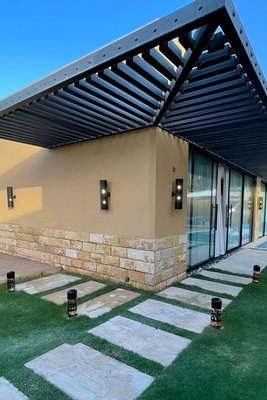
Aseel Resort
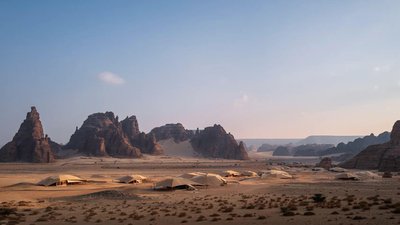
Banyan Tree AlUla
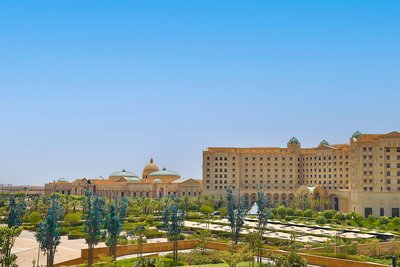
The St. Regis Riyadh
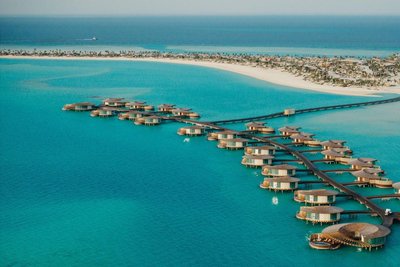
The St. Regis Red Sea Resort
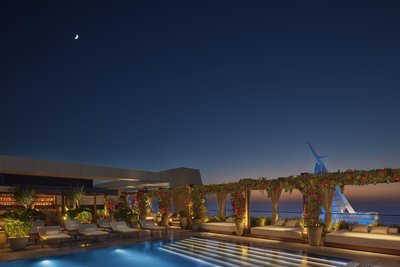
The Jeddah Edition
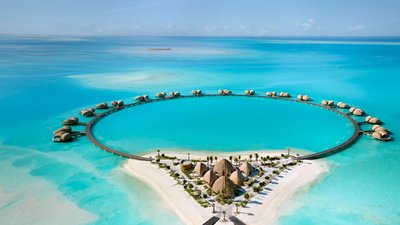
Nujuma, a Ritz-Carlton Reserve
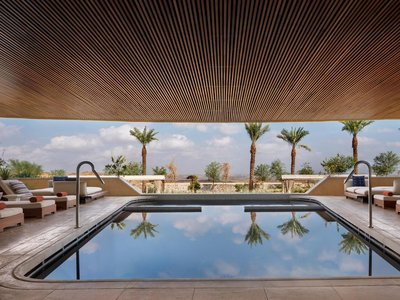
Six Senses Southern Dunes
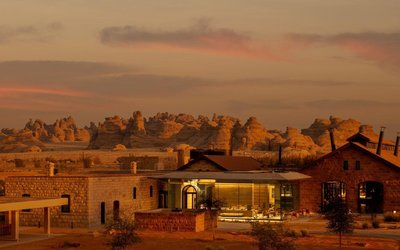
The Chedi Hegra
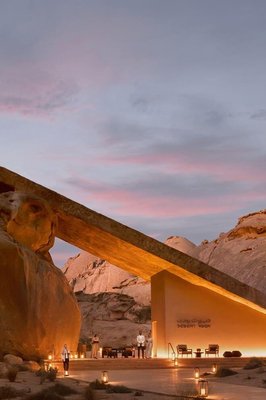
Desert Rock Resort
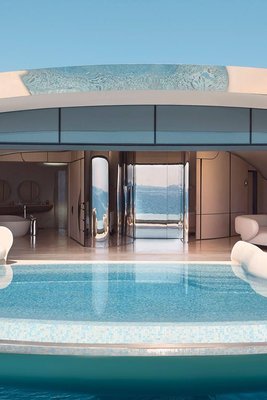
Shebara Resort
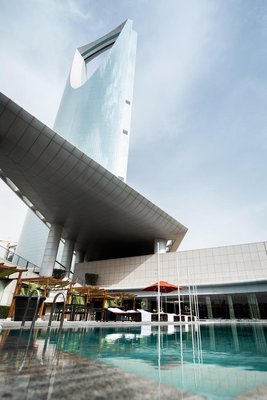
Four Seasons Hotel Riyadh
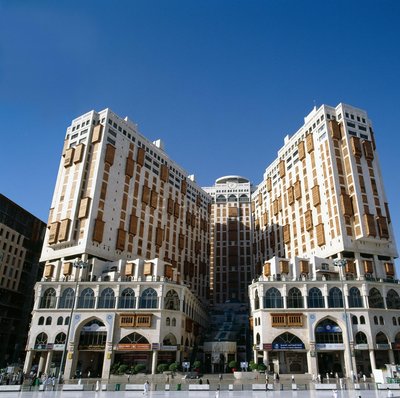
Makkah Towers
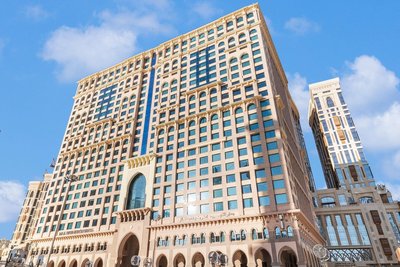
InterContinental Hotels Dar Al Tawhid Makkah
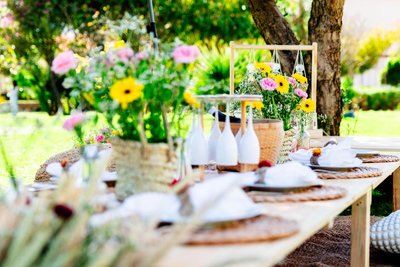
The Ritz-Carlton, Riyadh
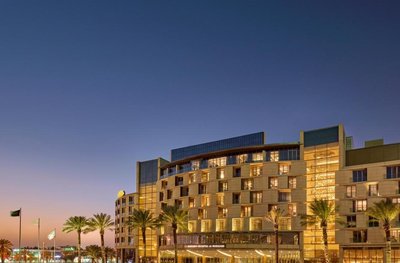
Mandarin Oriental Al Faisaliah, Riyadh
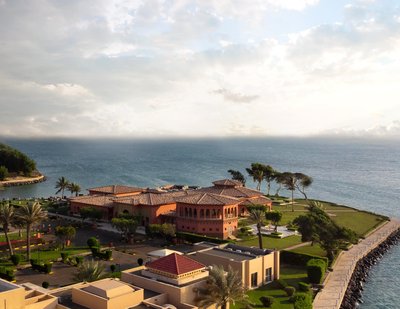
Park Hyatt Jeddah Marina Club and Spa
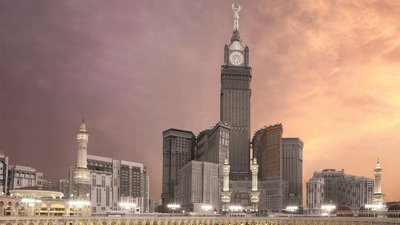
Raffles Makkah Palace
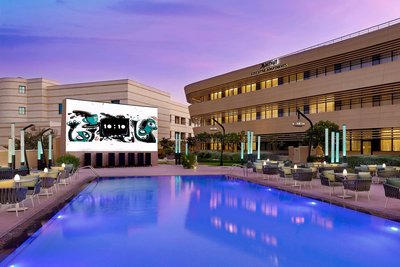
Riyadh Diplomatic Quarter - Marriott Executive Apartments
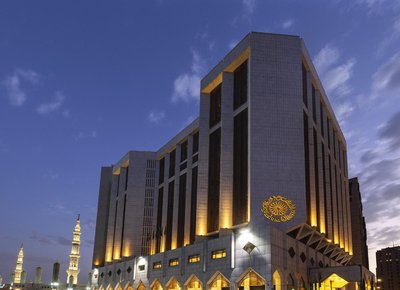
The Oberoi, Madina
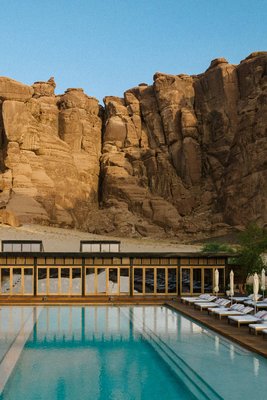
Our Habitas AlUla
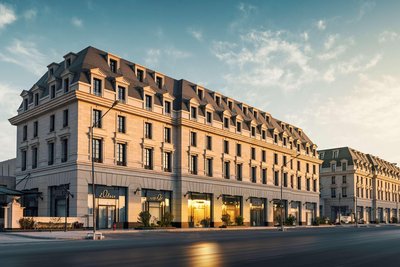
Mansard Riyadh, A Radisson Collection Hotel
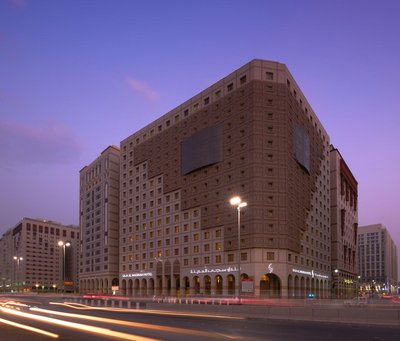
Saja Al Madinah
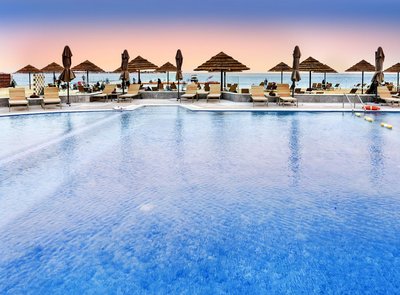
Braira Al Azizya Hotel & Resort
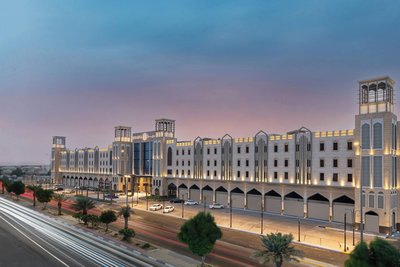
Braira Al Ahsa
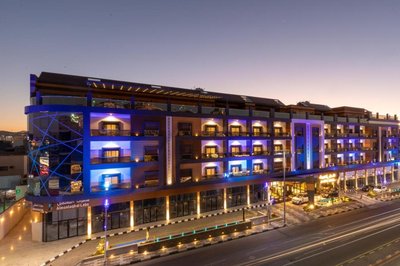
Le Reve Hotel
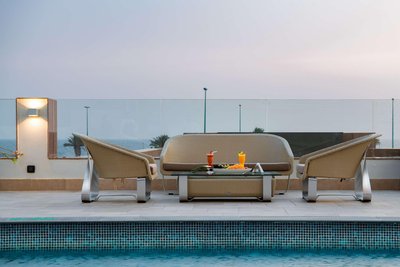
Radisson Blu Hotel, Jeddah Corniche

Park Inn by Radisson Jubail Industrial City
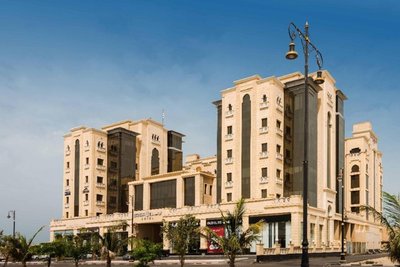
Braira Al Dammam
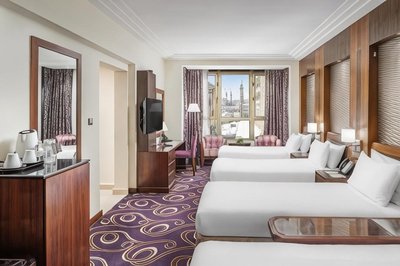
Elaf Kinda Hotel
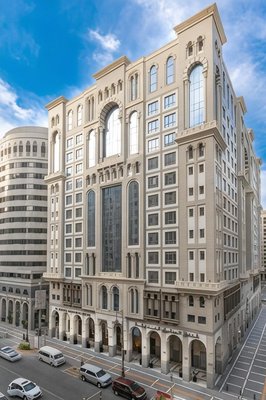
Millennium Al Aqeeq Hotel
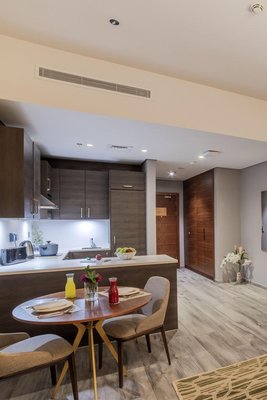
Ascott Corniche Al Khobar
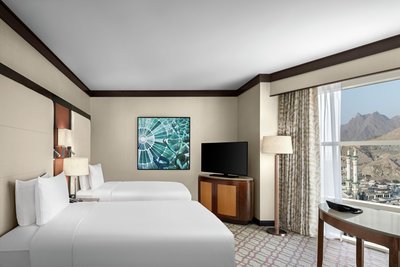
DoubleTree by Hilton Makkah Jabal Omar
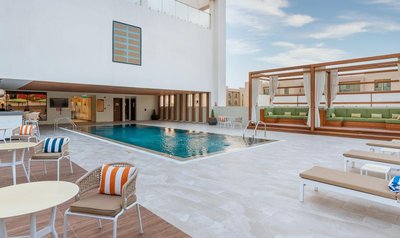
Holiday Inn & Suites Al Jubail
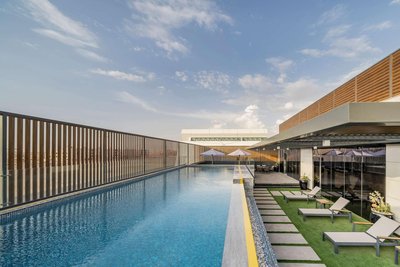
Radisson Blu Hotel, Riyadh Qurtuba
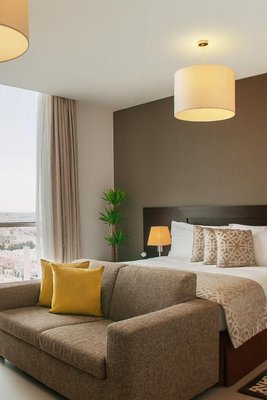
Ascott Rafal Olaya Riyadh
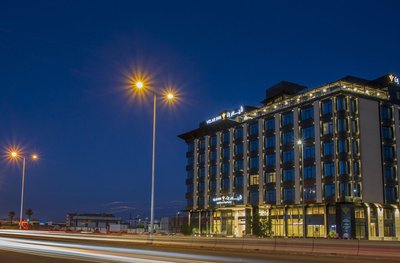
Velar Inn Hotel
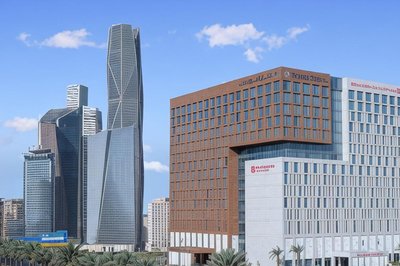
DoubleTree by Hilton Riyadh Financial District Hotel & Suites
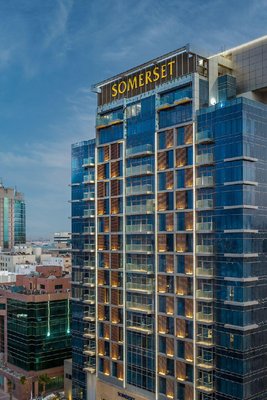
Somerset Downtown Al Khobar
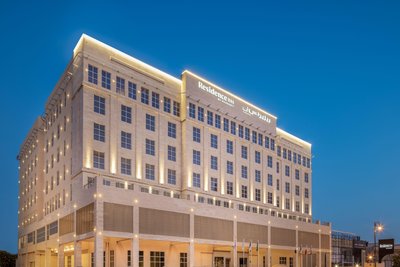
Residence Inn Dammam
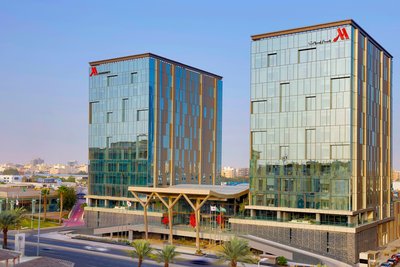
Jeddah Marriott Hotel Madinah Road
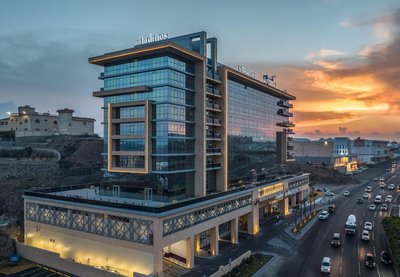
Citadines Abha
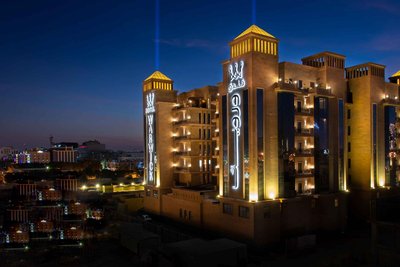
Warwick Al Khobar
Park Hyatt Jeddah Marina Club and Spa
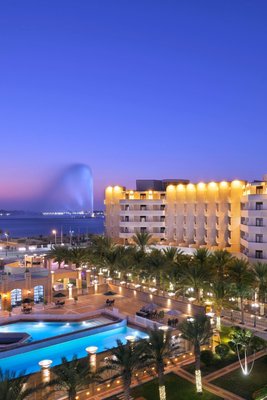
Intercontinental Hotel Jeddah
Ascott Corniche Al Khobar
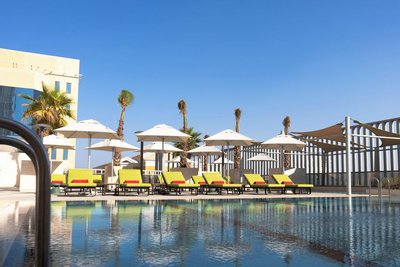
Dana Rayhaan by Rotana
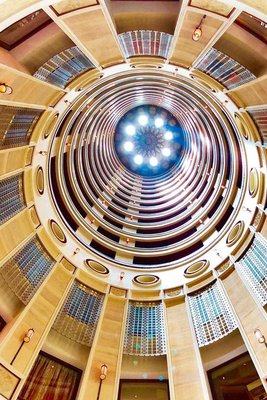
Rosewood Jeddah
Frequently Asked Questions about Traveling to Saudi Arabia
Questions You Might Need to Know About Traveling to Saudi Arabia
Trip in Saudi Arabia
Country Summary
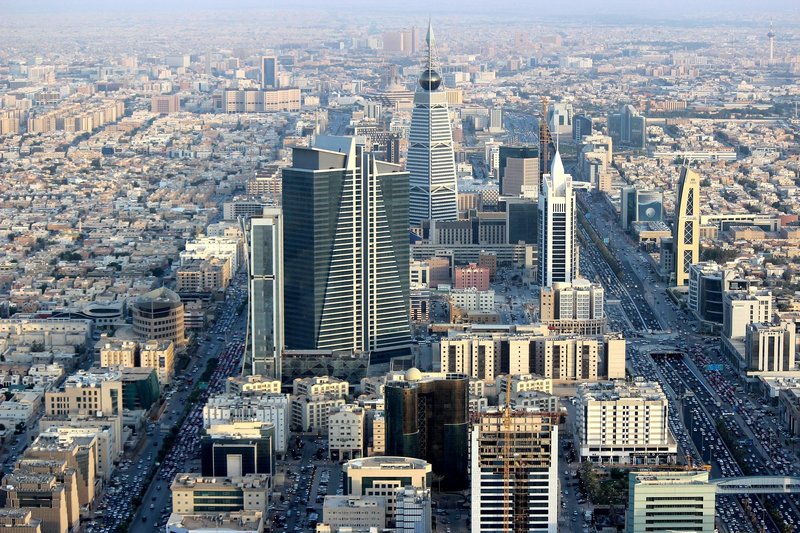
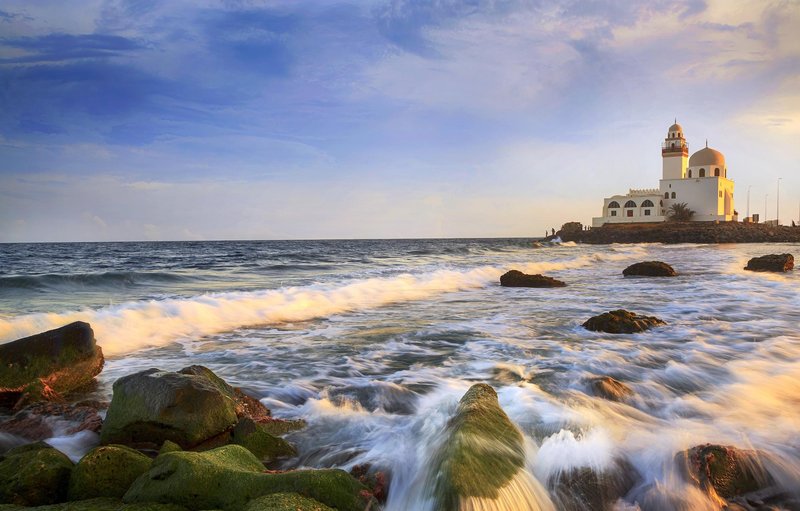
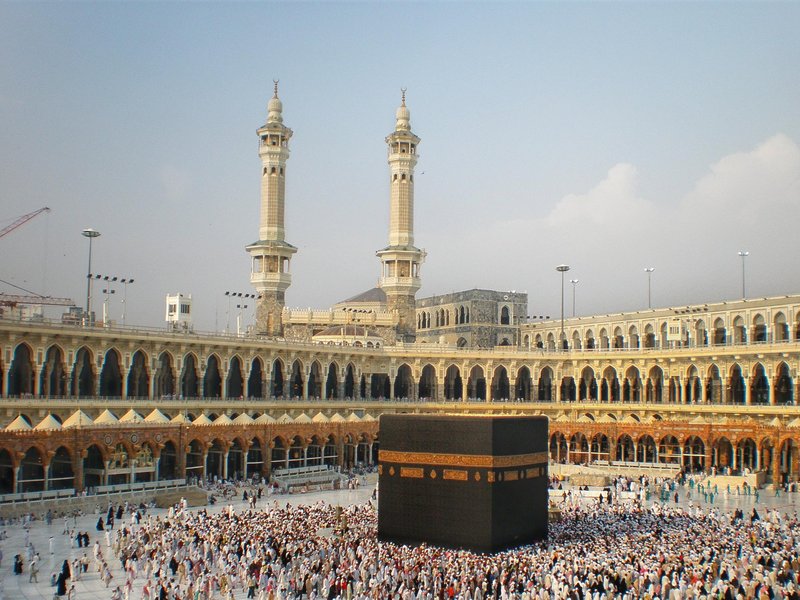
Saudi Arabia, a land of mystery and luxury, is the birthplace of Islamic culture, boasting rich historical heritage and stunning natural landscapes. Mecca and Medina, the two holiest cities in Islam, attract millions of pilgrims annually. Riyadh, the capital, blends modern architecture with traditional culture, while Jeddah's Red Sea coast is famous for its beautiful beaches and coral reefs. Desert adventures are a highlight here, offering experiences like camel riding, dune bashing, and stays in luxurious desert camps. Additionally, the ancient ruins of Al-Ula and the remnants of the Nabatean civilization are must-visit sites for history enthusiasts.
Must-See Attractions
Saudi Arabia is a land of mystery and allure, boasting a rich historical culture and breathtaking natural landscapes. The capital, Riyadh, is a blend of modernity and tradition, featuring contemporary landmarks like the Kingdom Centre Tower and historical sites such as the Masmak Fortress. Mecca and Medina, the holy cities of Islam, attract millions of pilgrims annually. For adventure seekers, Jeddah along the Red Sea offers excellent diving and snorkeling opportunities, while the Rub' al Khali desert is perfect for camel treks and desert camping. Additionally, the AlUla region's Mada'in Saleh archaeological site (often called "Saudi Arabia's Petra") showcases the ancient Nabatean civilization, leaving visitors in awe.
Food Guide
Saudi Arabia's culinary culture is deeply shaped by Islam and nomadic traditions, featuring iconic dishes like grilled lamb (Kabsa) and dates. Arabic coffee (Gahwa) infused with saffron and cardamom symbolizes hospitality. Mandi, a slow-cooked rice dish with tender meat, and street-food staple Shawarma are must-tries. Desserts like Kunafa—a crispy cheese pastry—reflect Ottoman influences, blending history with rich flavors.
Transportation Guide
Saudi Arabia is a country full of mystery, boasting rich historical culture and stunning natural landscapes. Riyadh, the capital, is a perfect blend of modernity and tradition, while Mecca and Medina are the most sacred sites in Islam, attracting millions of pilgrims annually.
In terms of transportation, Saudi Arabia's public transit system is relatively limited, so renting a car or using taxis is recommended. The highway network is well-developed, connecting major cities, but be mindful of local traffic rules, such as specific laws for female drivers.
For international visitors, it's advisable to apply for an e-visa in advance and familiarize yourself with local customs, such as dressing conservatively and avoiding alcohol in public. Desert adventures and Red Sea diving are highly popular activities, but always choose reputable tour operators for safety.
Best Time to Visit
Saudi Arabia is a country full of mystery and charm, boasting rich historical culture and stunning natural landscapes. The best time to visit is from November to March, when the weather is cool and perfect for outdoor activities. Riyadh and Jeddah are the two main cities, showcasing a perfect blend of tradition and modernity. Mecca and Medina are holy sites of Islam, attracting Muslim pilgrims from around the world. Additionally, diving and snorkeling activities along the Red Sea coast are highly popular. Tourist crowds are relatively smaller during this period, allowing for a better experience of local culture.
Travel Tips
-
Safety Tips: Saudi Arabia is relatively safe, but tourists should avoid border areas and conflict zones. Keep personal belongings secure in public places, especially in crowded markets and tourist spots.
-
Behavioral Norms: Saudi Arabia is a conservative Islamic country. Visitors must respect local culture and religious customs. Women should wear modest clothing and avoid public displays of affection.
-
Weather Preparation: The climate is hot and dry, with summer temperatures reaching 50°C. Bring sunscreen, hats, and plenty of water to avoid heatstroke. Winter nights can be cool, so pack warm clothing.
-
Transportation Advice: Taxis or car rentals are recommended, but be aware of local traffic rules. Female tourists should note that some areas may restrict women from driving alone.
-
Dietary Notes: Saudi cuisine is primarily Arabic food. Avoid alcohol in public. Drink bottled water and avoid raw or cold foods.
-
Religious Respect: Islam is the state religion. Respect prayer times by avoiding loud noises or disturbances. Dress modestly when entering mosques.
-
Currency & Payments: The local currency is the Saudi Riyal (SAR). Carry cash as some places may not accept credit cards.
-
Language Communication: The official language is Arabic, but English is widely spoken in tourist areas and hotels. Learn basic Arabic greetings.
-
Tourist Attractions: Visit Mecca, Medina (for Muslims only), historical sites in Riyadh, and the Red Sea coast in Jeddah.
-
Emergency Contacts: Save local emergency numbers, such as police (999) and ambulance (997).
Useful Information
Saudi Arabia is an Islamic country located in the Middle East, boasting rich historical culture and unique natural landscapes. As the birthplace of Islam, it is home to significant religious sites such as Mecca and Medina, attracting millions of Muslims for pilgrimage every year.
Language: The official language is Arabic, but English is widely spoken in tourist areas and hotels.
Internet & Communication: Saudi Arabia has excellent network coverage, with 4G/5G services available in major cities. Tourists can purchase local SIM cards (e.g., STC, Zain, or Mobily) for internet and calls.
Currency & Payment: The currency is the Saudi Riyal (SAR). Credit cards are widely accepted in malls and hotels, but carrying some cash is recommended for emergencies.
Emergency Handling: In case of emergencies, dial 999 (police), 998 (ambulance), or 997 (fire). Visitors are advised to respect local laws, especially Islamic customs, such as dressing modestly and avoiding alcohol in public.
Saudi Arabia has recently been actively promoting tourism, offering eVisas to travelers from many countries, allowing more people to explore this mysterious and captivating nation.
Other Countries You Might Like
Explore more amazing destinations