Strolling along the Beijing Moat is like stepping into an ancient imperial postcard! This centuries-old waterway, once defending the Forbidden City, now transforms into a serene urban oasis. Don't miss the dazzling nighttime reflections of palace towers on the water - rent a bike to cruise past surreal vistas where historic watchtowers meet modern skyscrapers in perfect harmony.

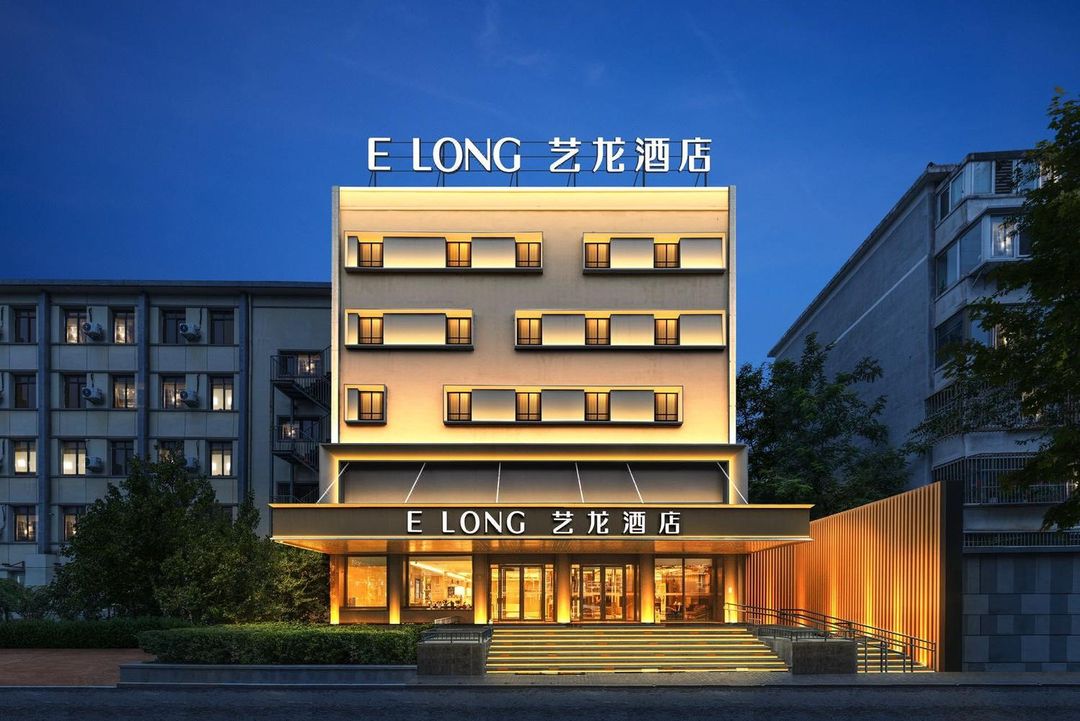
This hotel boasts a prime location right next to the National Library, just 1 minute walk to the subway, with easy access to Beijing Zoo, Forbidden City and other attractions! Designed by an international team, it features arty and trendy aesthetics with retro yet smart rooms, signature scents and imported toiletries for ultimate comfort. Enjoy 24-hour front desk, fitness center, valet parking and more. Perfect for both business and leisure. What's most touching is their service philosophy: "We care not just how high you fly, but how tired you are"—truly heartwarming!
Everything you need to know about Huchenghe
Beijing Hotel is a top choice, located directly along the Beijing City Moat, offering panoramic views of the Tiananmen Square and the surrounding green belt. Its prime location allows guests to walk to the Forbidden City in just 5 minutes, making it ideal for history enthusiasts. The hotel’s elegant design blends traditional Chinese elements with modern luxury.
For those preferring contemporary amenities, Marriott Wangfujing is a great alternative, just a short metro ride away. Located near the bustling Wangfujing shopping district, it offers easy access to the moat area via public transit. The rooftop bar provides stunning night views of the city skyline, especially during seasonal light displays along the moat.

Walking from the Beijing City Moat to Tiananmen Square takes about 10 minutes along the Jinshui River and Dong Chang'an Street. This scenic route passes by ancient pillars, stone lions, and red walls, offering an authentic glimpse into Beijing’s imperial architecture. It’s ideal for early morning walks to avoid crowds, and visitors can stop at the Monument to the People's Heroes for photos. The path is flat and accessible, perfect for families and elderly travelers.
The area around the Beijing City Moat offers several unique cultural activities: morning Tai Chi sessions held on the riverside lawn by local practitioners, allowing visitors to experience traditional Chinese wellness; calligraphy workshops hosted in nearby teahouses with master instructors, offering hands-on practice with brush and ink; and weekly Peking Opera mini-performances every Saturday evening, featuring concise yet vibrant excerpts of classic operas. These immersive experiences provide deep insight into Beijing’s living heritage and daily rhythms.
Beijing Hotel is a top choice, located just a 5-minute walk from the south bank of the City Wall Moat, offering serene views of the green riverside promenade and Jingshan Park. Its blend of classical Chinese architecture and modern amenities ensures comfort and cultural immersion. Alternatively, Hyatt Regency Wangfujing provides excellent connectivity—just 1.2 km away—with complimentary shuttle service to key sites like the Clock and Bell Towers and Imperial Palace Remains. Both properties are near Line 5 Metro, making them ideal for exploring Beijing’s historic Central Axis.
The waterfront walking paths along the City Wall Moat are perfect for family strolls or cycling, with scenic views of Ming Dynasty rampart ruins and willow-lined banks. Join a guided evening heritage tour by boat—a 1-hour cruise showcasing the illuminated Tiananmen Square and Forbidden City exterior—complete with multilingual commentary. On Saturdays, enjoy the City Wall Art Market, featuring traditional crafts like Peking opera masks, sugar paintings, and handmade souvenirs, offering children an engaging cultural experience.
Walk about 10 minutes north from the southern bank of the City Wall Moat to reach the entrance of Tiananmen Square, passing landmarks like the Monument to the People's Heroes and the National Museum. To reach the Forbidden City, continue north along Dong Chang'an Street (15-minute walk) or take Subway Line 8 to Tiananmen East Station—just 3 stops away. Use Beijing Transit Card or mobile payment for seamless travel. Many tour operators also offer private transfers from the moat to the Forbidden City at ¥80 per person, ideal for those preferring convenience.
Visit Siji Minfu by the moat—a century-old restaurant famous for its authentic Peking duck, served tableside with crispy skin and tender meat. Another option is Lao She Teahouse branch, located right on the riverbank, offering classic dishes like Zhajiangmian, Douzhi, and Aiwoowo, paired with live Peking Opera and crosstalk performances. Both venues accept reservations; book at least one to two days ahead, especially during holidays. After dinner, stroll along the river to enjoy the romantic interplay of imperial architecture lights and ancient beam shadows under the night sky.
The City Wall Moat was a crucial defensive feature of Beijing’s Ming and Qing imperial city, originally constructed during the Yuan Dynasty and expanded under the Yongle Emperor to form a square water system around the Forbidden City. With a width of 15 meters and depth of 4 meters, it served military defense, drainage, and transportation—carrying grain and building materials to the palace complex. Today, it has evolved into a vital urban green corridor, preserving Ming Dynasty stone walls and ancient bridge remnants. In spring, cherry blossoms line the banks, creating the famed "Golden Water River Spring View," symbolizing Beijing’s enduring blend of history and nature.
Absolutely! The area offers rich historical backdrops, including the Wanchun Pavilion in Jingshan Park, the Bai Ta reflection in Beihai Park, and the ruins of the Imperial City Wall at the Root of the Imperial City Park—perfect for cultural photography. Capture dreamy mirror reflections at dawn when mist hovers over the water, or dramatic golden hour contrasts between sunset and red walls with golden roofs. For a striking composition, shoot silhouettes of ancient bridges framed by willows at noon, especially with visitors in Hanfu attire. Most spots are free and open-access, making it a photographer’s paradise.
Explore more amazing destinations