Historic Shanghai and Colonial Heritage Guide

HopeGoo Travel Adviser
Last Updated: 2026-08-11 13:56:02
Historic Shanghai can be explored through its riverfront buildings, former concession areas, Shikumen neighborhoods, religious sites and industrial heritage. These places reveal how international trade, Chinese communities and changing urban planning shaped the city from the nineteenth century onward.
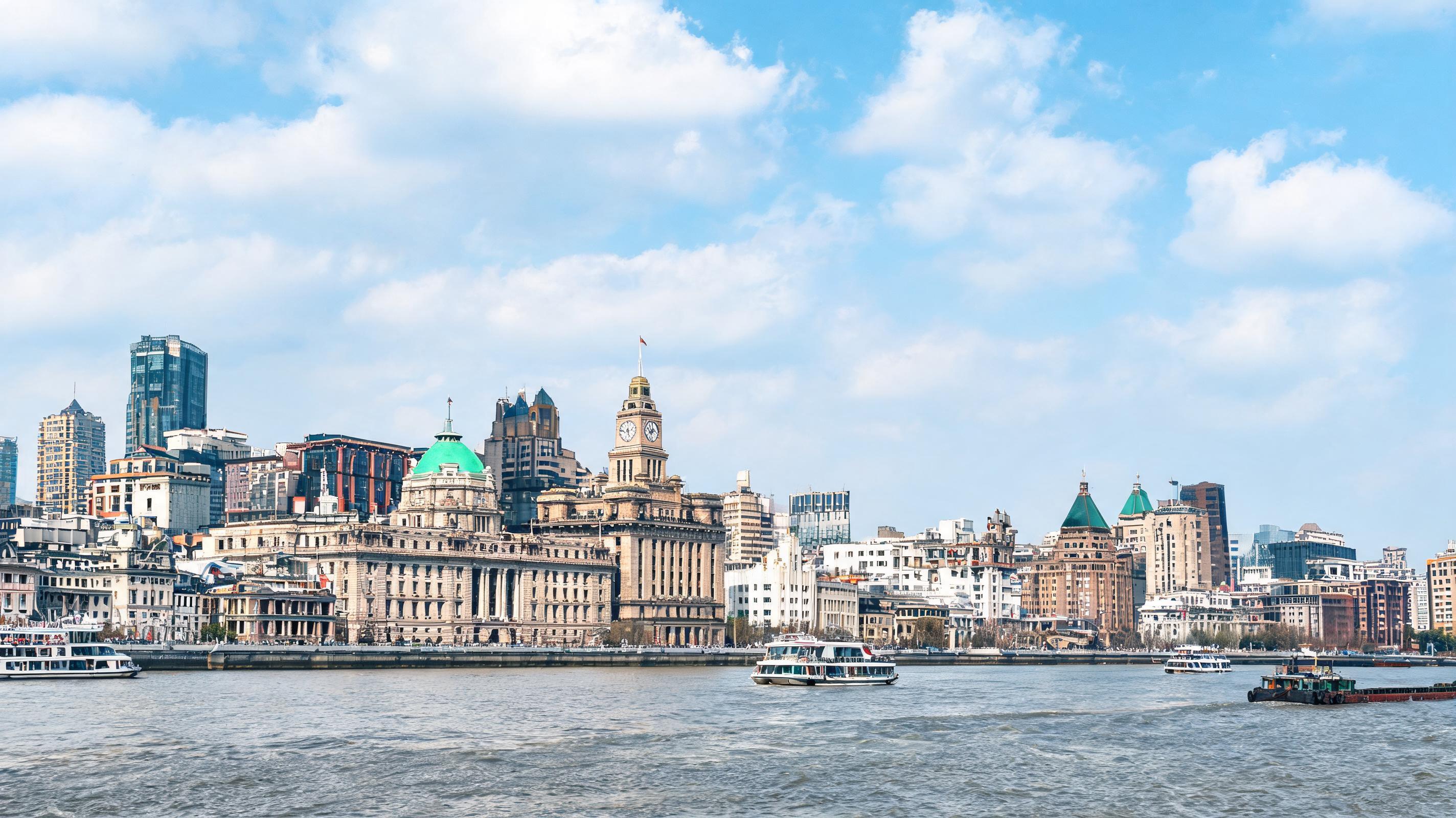
Visitors can follow self-guided walking routes through the Bund, the former French Concession and Suzhou Creek. Some historic buildings remain private offices, hotels or residential properties, so access should never be assumed.
What to Expect When Exploring Historic Shanghai
A historic Shanghai route usually combines architecture, public streets, waterfront areas and selected museums. The main themes include treaty-port trade, concession administration, local residential life, modern Chinese business and later urban redevelopment.
Visitors can expect:
- Walking through public streets and waterfront promenades
- Exterior views of historic banks, hotels and apartment buildings
- Shikumen and lilong residential architecture
- Museums or exhibitions explaining Shanghai’s development
- Modern reuse of old factories, warehouses and commercial buildings
Two to four hours are enough for one district. Combining the Bund with the former French Concession or Suzhou Creek usually requires most of a day.
Top Historic Buildings and Heritage Areas
The Bund
The Bund was the commercial center of the former International Settlement. Its riverfront buildings once housed banks, trading companies, shipping firms, hotels and government-related institutions.
Architectural styles include neoclassical, Gothic, Baroque and Art Deco influences. Most buildings are best viewed from the public promenade because interior access is limited.
Peace Hotel
The North Building of the Peace Hotel opened as the Cathay Hotel in 1929. Its green pyramidal roof and Art Deco design make it one of the Bund’s most recognizable landmarks.
The building still operates as a hotel. Public access to guest areas, restaurants and interior spaces depends on hotel policies.
Former British Consulate Area
The former British Consulate compound stands near the meeting point of Suzhou Creek and the Huangpu River. It reflects Shanghai’s diplomatic and administrative history during the treaty-port period.
Access to individual buildings may be restricted, but parts of the area can be viewed from surrounding public spaces.
Former French Concession
The former French Concession contains tree-lined roads, garden residences, Art Deco apartments and Shikumen lane houses.
Wukang Road, Fuxing Road, Hengshan Road and nearby streets provide a useful introduction, but the district is extensive. Visitors should select a specific route rather than attempting to walk across the entire area.
Art Deco Buildings
Shanghai developed a strong Art Deco architectural tradition during the early twentieth century. The Park Hotel, Peace Hotel, former cinemas and residential apartment buildings are among the better-known examples.
Many remain in active use, so visitors should observe them from public streets and respect access restrictions.
Religious and Civic Buildings
Historic churches, synagogues, temples, schools and civic buildings reflect the diverse communities that lived in Shanghai.
Some remain active religious or institutional sites. Dress respectfully, avoid interrupting services and follow posted photography rules.
Self-Guided Historic Shanghai Walking Routes
Route One: The Bund and Riverside Architecture
Suggested duration:
Two to three hours
- Begin near Waibaidu Bridge and Suzhou Creek.
- Walk south along the Bund promenade.
- View the former consular, banking and hotel buildings.
- Stop near the Peace Hotel and Nanjing East Road.
- Continue toward Yan’an East Road or finish at Nanjing Road.
This route is mostly flat but can be crowded during weekends and public holidays.
Route Two: Former French Concession Streets
Suggested duration:
Three to four hours
- Begin near Changshu Road or Shanghai Library Metro Station.
- Walk along selected sections of Wukang Road and Fuxing Road.
- Observe historic villas, apartments and lane houses.
- Stop at a cafe, park or publicly accessible cultural venue.
- Finish near Huaihai Road, Xintiandi or another metro station.
Some pavements are narrow or uneven. Do not enter private residential lanes or photograph residents closely without permission.
Route Three: Suzhou Creek and Industrial Heritage
Suggested duration:
Two to three hours
- Start near the eastern section of Suzhou Creek.
- Follow a selected public riverside path.
- View old warehouses, bridges and converted industrial buildings.
- Visit M50 or another cultural space when convenient.
- Finish near a metro station rather than walking the full creek.
Waterfront access can be affected by construction, maintenance and temporary events.
How the Former Concessions Shaped Shanghai
After Shanghai opened as a treaty port in the nineteenth century, foreign-administered concessions developed separate systems of roads, policing, infrastructure and municipal management.
This history influenced the city in several visible ways:
- **Street planning:**Wider roads and planned commercial districts developed outside the older Chinese city.
- **Architecture:**Banks, hotels, villas and apartment buildings introduced international styles.
- **Infrastructure:**Modern utilities, tramways and port facilities expanded alongside commerce.
- **Residential patterns:**Shikumen and lilong housing combined Chinese and Western elements.
- **Industrial areas:**Warehouses and factories developed along the Huangpu River and Suzhou Creek.
This development should not be described only as architectural modernization. The concession system also involved foreign control, unequal legal arrangements and social divisions. Understanding both the architecture and its political context provides a more complete view of Shanghai’s history.
Main Historic Districts Compared
| District | Main Historical Theme | Architecture | Suggested Time |
|---|---|---|---|
| The Bund | Trade, banking and the former International Settlement | Neoclassical, Gothic, Baroque and Art Deco buildings | Two to three hours |
| Former French Concession | Residential life and concession-era urban development | Villas, apartments and Shikumen lanes | Three to four hours |
| Suzhou Creek | Industry, warehouses and urban regeneration | Warehouses, factories and converted cultural spaces | Two to three hours |
| Old City | Chinese urban life outside the foreign concessions | Traditional streets, temples and garden architecture | Two to three hours |
Practical Tips for Historic Walking Routes
- Wear comfortable shoes suitable for uneven pavements.
- Use public streets and respect private property.
- Save building names and addresses in Chinese.
- Check museum and heritage-building opening hours.
- Carry water and sun protection in warm weather.
- Choose early morning or late afternoon during summer.
- Keep an indoor alternative for rain or extreme heat.
- Group nearby locations instead of crossing the city repeatedly.
Visitors with limited mobility should review pavement conditions, metro access and rest locations before departure. Not every historic building has step-free access.
Choosing a Guided Heritage Tour
Travelers who prefer professional interpretation can book through a licensed local tour operator. Before booking, confirm:
- The operator’s business and guide credentials
- The language used during the tour
- The exact meeting point and route
- Walking distance and accessibility
- What tickets, meals or transport are included
- Cancellation and refund conditions
Private tours may offer more flexibility, while group tours usually follow a fixed route. HopeGoo does not operate guided heritage tours or verify individual local tour providers.
Frequently Asked Questions About Historic Shanghai
How long should I spend exploring historic Shanghai?
Allow two to four hours for one district. A full day is better when combining the Bund with the former French Concession or Suzhou Creek.
Are the walking routes suitable for children and older travelers?
They can be, but route length and pavement conditions should be considered. Schedule rest stops and use the metro or taxis between districts when needed.
Do I need to understand Shanghai history before visiting?
No. Museums, guidebooks and audio resources can provide background on the treaty-port system, concessions and urban development.
Can I combine historic areas with Lujiazui?
Yes. The Bund and Lujiazui can be combined in one day, creating a clear contrast between historic riverfront architecture and modern skyscrapers.
What should I wear?
Wear comfortable walking shoes and weather-appropriate clothing. Carry an umbrella during rainy periods and sun protection in summer.
Can visitors enter historic lane houses?
Not unless a building is officially open as a museum, hotel, shop or cultural venue. Most lane houses are private residences.
Can HopeGoo arrange a colonial heritage tour?
No. HopeGoo primarily provides online booking services for flights, hotels, train tickets, selected attraction tickets and connectivity products.
Conclusion
Historic Shanghai is best explored through the Bund, former French Concession, Suzhou Creek and Old City. Together, these districts show how trade, foreign concessions, Chinese communities and industrial growth shaped the city.
Choose one district at a time, respect private buildings and include both the architectural achievements and the unequal political history behind the treaty-port era.
After confirming your travel dates, you can use HopeGoo to search available flights, hotels, train tickets, selected attraction tickets and eSIM or SIM products.